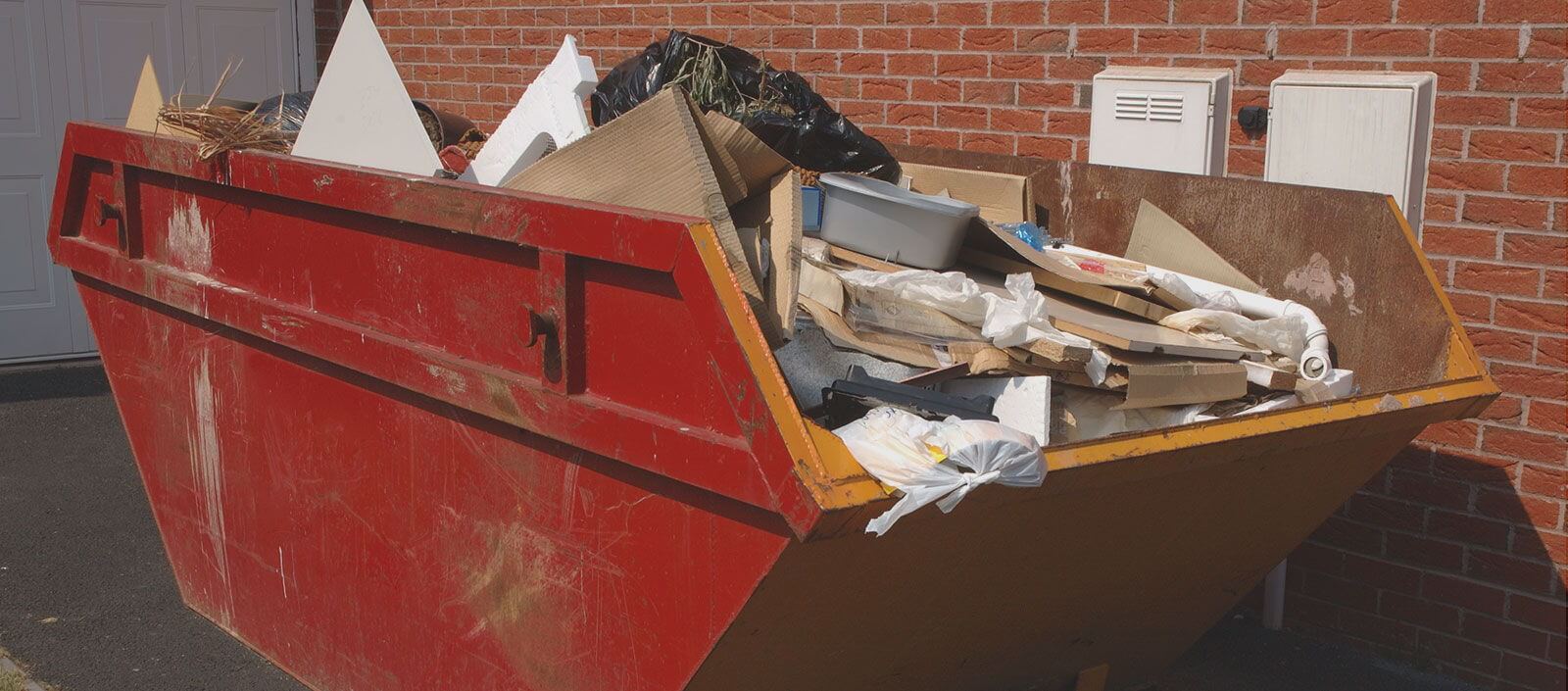
Avoid fly-tipping fines with secure Marylebone pickup
Posted on 18/06/2026

Fly-tipping is one of those problems that looks small right up until it becomes yours. A mattress left by the bins, builders' rubble dumped after a quick renovation, or a van load of mixed rubbish abandoned behind a mews can turn into a stressful mess very quickly. If you want to avoid fly-tipping fines with secure Marylebone pickup, the answer is not just "get rid of the waste" - it is to make sure every stage of the pickup is traceable, careful, and handled by people who know what they are doing.
That matters even more in Marylebone, where tight streets, resident-only parking, busy footfall, and elegant properties leave little room for mistakes. In practice, secure pickup means the waste is collected responsibly, documented properly, and moved to the right destination without cutting corners. This guide breaks down how it works, who needs it, what to watch out for, and how to choose a service that helps you stay on the right side of the rules without turning the whole thing into a drama.
Why Avoid fly-tipping fines with secure Marylebone pickup Matters
Marylebone is not the kind of place where waste can sit around unnoticed for long. Streets are busy, residents are alert, and building managers tend to notice anything out of place. That is actually a good thing. It means proper disposal is easier to manage when you plan it well, but it also means sloppy waste handling tends to stand out immediately.
Fly-tipping fines are not just a financial issue. They can bring complaints, damage relationships with neighbours or building management, and create an avoidable paper trail of hassle. If waste is collected by someone who cannot prove where it went, or if bags are left beside communal bins "just for a bit", you may be exposing yourself to unnecessary risk. To be fair, that kind of mistake usually starts with convenience and ends with regret.
Secure pickup reduces that risk by making the chain of responsibility clear. You know who collected the waste, what was taken, and that it was handled with proper care. For homes, landlords, builders, and businesses, that peace of mind matters. It also helps keep Marylebone's streets cleaner, which everybody benefits from, even if nobody says it out loud.
If you are researching wider disposal options, it can help to understand the full service landscape first. A good starting point is the site's services overview, which gives a clearer picture of how different pickups fit together in everyday use.
How Avoid fly-tipping fines with secure Marylebone pickup Works
At a practical level, secure pickup is about controlled collection and responsible movement of waste. The process usually starts with identifying what needs to go. That may be general household rubbish, office clutter, broken furniture, white goods, garden waste, or heavier material from a refurbishment. Different waste streams need different handling, and mixing everything together makes mistakes more likely.
Next comes scheduling. In a dense part of London, timing can matter almost as much as the removal itself. A pickup that is planned around access, parking, lift use, and building rules is less likely to create disruption. It also reduces the temptation to leave items outside in advance, which is exactly the kind of thing that can attract complaints or worse.
Then there is the collection itself. A secure pickup should be direct, tidy, and traceable. In plain English, that means the waste is loaded safely, kept under control during transport, and taken to a legitimate disposal or recycling route. It should not be handed off casually, and it should not disappear into some vague "we'll deal with it later" arrangement. If you have ever watched a hallway get clogged with bags at 8am and thought, "this is going to be a problem," you already understand the point.
For certain jobs, especially renovation waste, a more structured approach is essential. Our article on builders' waste removal after Marylebone renovations is useful if your pickup includes plasterboard, timber offcuts, tiles, packaging, or mixed rubble.
Key Benefits and Practical Advantages
There is a clear benefit to doing this properly, and it is not just avoiding a fine. A secure pickup makes the whole disposal process calmer, more predictable, and easier to defend if anyone asks questions later. That is worth quite a lot when you are juggling home life, tenants, a project deadline, or business operations.
- Less enforcement risk: your waste is removed through a responsible route rather than dumped or left exposed.
- Better traceability: you have a clearer record of what was collected and when.
- Cleaner surroundings: no unsightly piles by the road or in a shared courtyard.
- Reduced neighbour friction: especially important in flats, mansion blocks, and mixed-use buildings.
- Time saved: one well-planned collection often beats multiple trips to transfer waste yourself.
- Better sorting: recyclable items and reusable materials can be handled more sensibly.
Another practical advantage is simple confidence. When the weather is wet, the bins are full, and the street is already crowded, secure pickup removes the burden of improvising. You are not left wondering whether you chose the right skip size, whether the communal area is now a fire risk, or whether somebody will move your items "temporarily" and make a complaint. It sounds minor until it happens.
For domestic jobs, the distinction can be especially helpful. If you need a one-off clear-out, services like domestic waste collection in Marylebone or rubbish collection in Marylebone often fit the problem better than a more heavy-duty solution.
Who This Is For and When It Makes Sense
Secure pickup is not only for people who are worried about enforcement. It makes sense for anyone who has a meaningful amount of waste to remove and wants the job done cleanly. In Marylebone, that often includes apartment residents, landlords, estate managers, small businesses, retailers, offices, and builders working in constrained spaces.
Here are some common situations where it really earns its keep:
- Flat clear-outs: moving out, downsizing, or dealing with accumulated clutter in a building with limited storage.
- Property sales or lettings: when a unit needs to look presentable quickly before viewings.
- Office refreshes: desks, chairs, packaging, filing cabinets, and old tech need the right route out.
- Refurbishment work: builders' waste can pile up fast and become a site hazard.
- Furniture replacement: a sofa, wardrobe, mattress, or white good that is too large for normal bin disposal.
- Garden tidy-ups: bags of green waste, branches, and soil can be more awkward than they look.
Truth be told, the biggest mistake people make is assuming their situation is "too small" to need proper handling. A single abandoned sofa can create as much trouble as a much bigger load if it is left in the wrong place. One item, wrong place, same headache.
If your job involves furniture, you may also find the dedicated furniture removal Marylebone service more useful than trying to shoehorn it into general rubbish removal. For smaller furniture-only jobs, furniture disposal in Marylebone is another sensible route.
Step-by-Step Guidance
If you want a straightforward process, keep it simple and methodical. The best pickups usually look almost boring from the outside, which is exactly what you want. No panic, no last-minute pile-up, no "we'll sort it after lunch" nonsense.
- List the items clearly. Write down what needs removing, including bulky items, bagged waste, and anything fragile or hazardous.
- Separate by type where possible. Mixed waste is harder to handle cleanly. Separate recyclable cardboard, furniture, white goods, and builder's material if you can.
- Check access early. Think about stairs, lifts, loading bays, parking restrictions, and entry codes.
- Choose a collection time that works. Morning pickups often reduce disruption in residential buildings and busy streets.
- Confirm what can and cannot be taken. Not every item belongs in a standard waste load, and certain materials need special handling.
- Ask how the waste will be processed. Secure pickup means you should understand the broad disposal route, not just the collection time.
- Keep records. Save emails, notes, invoices, and any collection details in case a question comes up later.
A small practical tip: take photos before collection if the load is complicated. It is not about being suspicious; it is about having your own record. That one habit can save a lot of back-and-forth if there is ever confusion.
If you are arranging a larger clean-up, house clearance in Marylebone or loft clearance in Marylebone may be a better fit than piecing the job together yourself.
Expert Tips for Better Results
After enough removals, a few patterns become obvious. The jobs that go smoothly are rarely the most glamorous ones; they are the ones where someone planned properly at the start. That is the whole game.
Tip 1: Don't leave waste outside "just for a moment". In shared buildings, that moment can become visible to neighbours, porters, cleaners, or passers-by. If you would not want it photographed on a rainy Tuesday, keep it inside until collection time.
Tip 2: Make the pickup route obvious. Clear corridors, hold open access doors only if allowed, and move fragile items out of the way. A clean route means fewer knocks, fewer delays, and fewer awkward apologies.
Tip 3: Ask about mixed loads before collection day. A lot of fines and disposal problems start with mixed materials that should have been separated. Builders' waste, appliance waste, and furniture do not all behave the same way.
Tip 4: Use the right level of service. A commercial office clear-out is not the same as a single sofa. A garden tidy-up is not the same as a full strip-out. Matching the service to the job makes everything safer and easier.
Tip 5: Keep an eye on building rules. Some Marylebone blocks are very specific about loading, lift protection, and collection timing. It is not exciting, but it matters. A lot.
For business owners, the commercial waste removal in Marylebone service is especially useful when the priority is keeping the premises tidy and reducing the chance of fly-tipping exposure around the back of the property. And if you are clearing a workspace, office clearance in Marylebone can help avoid the chaos of trying to manage desks, bins, and packaging in one go.
Common Mistakes to Avoid
Most fly-tipping trouble comes from predictable mistakes, not dramatic ones. Usually it is a bit of rush, a bit of assumption, and a bit of "that'll do". Unfortunately, waste disposal does not reward optimism.
- Leaving items on the pavement too early: this can look abandoned and invite complaints.
- Using an unverified collector: if a provider cannot explain their process, that is a red flag.
- Mixing unsuitable waste together: especially a problem with construction debris and electrical items.
- Ignoring access constraints: a great collection plan collapses fast if the van cannot stop legally.
- Assuming "someone else will deal with it": landlords and contractors hear this more often than they should.
- Forgetting about heavy items: things like appliances and wet garden waste can be much heavier than expected.
One more thing: do not treat secure pickup as a label rather than a process. The value is in how the waste is managed from start to finish. If that sounds a bit obvious, good. Obvious is useful here.
For larger or more specialised items, white goods, mattresses, or similar bulky pieces, it helps to use the most relevant disposal route. You can also look at white goods and appliance disposal in Marylebone or the guide to mattress disposal options for Marylebone flats if your load includes awkward household items.
Tools, Resources and Recommendations
You do not need complicated software or specialist gear to organise a secure pickup, but a few simple tools make the job easier. A phone camera, a short written inventory, and a realistic schedule already take you a long way.
Recommended approach:
- Use a basic item list: keep it short, but specific. "Old chair" is better than "miscellaneous stuff".
- Take photos of the load: useful for your own records and for clarifying tricky collections.
- Measure bulky items: if access is tight, rough dimensions can prevent collection-day surprises.
- Group by room or area: this helps if you are doing a house or office clearance.
- Keep paperwork together: invoice, notes, and any collection confirmation in one folder or email thread.
For broader reading, the site's waste carrier licence and compliance page is useful if you want a clearer sense of why licensing and traceability matter. If sustainability is part of your decision-making, the recycling and sustainability information also helps frame the wider picture.
And if you are comparing service approaches, a clear quote is worth more than a vague promise. The pricing and quotes page gives you a practical starting point for understanding how collections are typically discussed and scoped.
Law, Compliance, Standards, or Best Practice
Waste disposal in the UK is not something to leave to chance. Without getting tangled in legal jargon, the basic expectation is straightforward: waste should be transferred to someone authorised to handle it, and it should not be dumped, abandoned, or passed on without proper care. If you are responsible for the waste, you still need to think about what happens to it after collection.
That is why secure pickup is so valuable. It reduces the chance of waste ending up in the wrong place and helps support a more responsible chain of custody. In everyday terms, it means you are less likely to become the person who has to explain why rubbish was left on a road, in a forecourt, or by a communal bin store.
Best practice usually includes:
- using a collector who can demonstrate compliance and a sensible process
- keeping a record of what was removed
- separating waste streams where practical
- avoiding informal hand-offs to unknown third parties
- not blocking pavements, fire exits, or access routes with waste
If the pickup is for a business, landlord, or managed property, the standard should be even higher. You want an auditable, tidy process that looks and feels professional. Not fancy. Just reliable. That is the part people remember.
Options, Methods, or Comparison Table
There are a few ways people in Marylebone deal with unwanted waste. The right option depends on volume, item type, urgency, access, and how much risk you are willing to take on yourself. Here is a simple comparison to help you choose.
| Option | Best for | Pros | Watch-outs |
|---|---|---|---|
| DIY trips to dispose of waste | Very small loads, minor clear-outs | Flexible, sometimes cheaper for tiny volumes | Time-consuming, transport issues, easy to get it wrong |
| Skip-style approach | Medium to larger renovation loads | Good capacity, useful for ongoing projects | Space, permits, loading discipline, visual impact |
| Secure pickup service | Most home, office, and mixed waste jobs | Fast, traceable, less hassle, more controlled | Needs clear communication about access and waste type |
| Specialist item disposal | Appliances, mattresses, furniture, builders' waste | Better handling of awkward or bulky items | May require item-specific planning |
In many Marylebone situations, secure pickup is the most balanced choice. It is direct enough for busy schedules, careful enough for shared buildings, and practical enough not to take over your day. For some jobs, though, a more specialised service is still the smarter option. A mattress does not behave like a stack of cardboard, and a wardrobe does not dispose of itself, however much we might wish otherwise.
Case Study or Real-World Example
Consider a common Marylebone scenario: a two-bedroom flat near a busy road is being prepared for new tenants. The outgoing occupiers have left a broken sofa, a mattress, a couple of shelves, and several bags of household clutter. The managing agent wants the common hallway kept clear, the neighbours want no fuss, and the move-in date is close enough to make everyone a bit tense.
A secure pickup solves the problem cleanly when it is organised properly. The items are grouped in advance, access is checked, and the collection is timed to avoid peak disruption. The bulky furniture is taken away in one visit, the smaller waste is removed with it, and the flat is left tidy rather than half-cleared. No pile sits outside overnight. No one is wondering whether the waste was dumped somewhere unofficial. Everybody moves on.
That sort of job can easily go sideways if you try to improvise. A couple of bags might be manageable, but once furniture and mixed waste enter the picture, you want a coordinated removal plan. If you are dealing with a landlord handover or pre-sale clean-up, a service such as Marylebone home buying and selling guidance can also help you think through how clear-outs fit into the wider property timeline.
A related local angle is managing waste around busy neighbourhood rhythms. Marylebone is walkable, lively, and often beautiful in that understated London way, but it is also tightly packed. If you want a lighter read on the area while planning your next step, strolling through Marylebone is a useful reminder of why keeping the streets tidy matters so much here.
Practical Checklist
Use this checklist before your pickup day. It keeps things simple, which is exactly what you want.
- Have you identified every item to be removed?
- Have you separated furniture, electricals, rubble, and general waste where possible?
- Have you checked access, parking, and building rules?
- Have you confirmed the collection time and contact details?
- Have you made space for the waste so it is not blocking exits or shared areas?
- Have you asked how the waste will be handled after collection?
- Have you saved the booking details, notes, or invoice?
- Have you thought about any awkward items that may need special handling?
If you can tick all of those off, you are in a far better position to avoid unnecessary problems. And if one or two items still feel unclear, that is fine. Better to pause and ask than rush into a messy job and hope for the best. Hope is not a waste plan.
Get a free quote today and see how much you can save.
Conclusion
To avoid fly-tipping fines with secure Marylebone pickup, focus on control, clarity, and responsible handling from the very start. The real win is not just removing waste quickly; it is removing it in a way that is traceable, tidy, and appropriate for the space you are in.
That approach protects you from avoidable complaints, keeps common areas clear, and makes life easier for everyone involved - residents, landlords, contractors, and businesses alike. In a place like Marylebone, where streets are close-knit and standards are high, that kind of care goes a long way.
So if you are planning a flat clear-out, office refresh, furniture removal, or builders' waste pickup, take the secure route. It is calmer, safer, and usually far less stressful than trying to fix a disposal problem after it has already become one. Simple, really. And a lot kinder to your future self.


 Tipper Van - Waste Removal and Rubbish Clearance Prices in Marylebone, W1
 Luton Van - Waste Removal and Rubbish Clearance Prices in Marylebone, W1