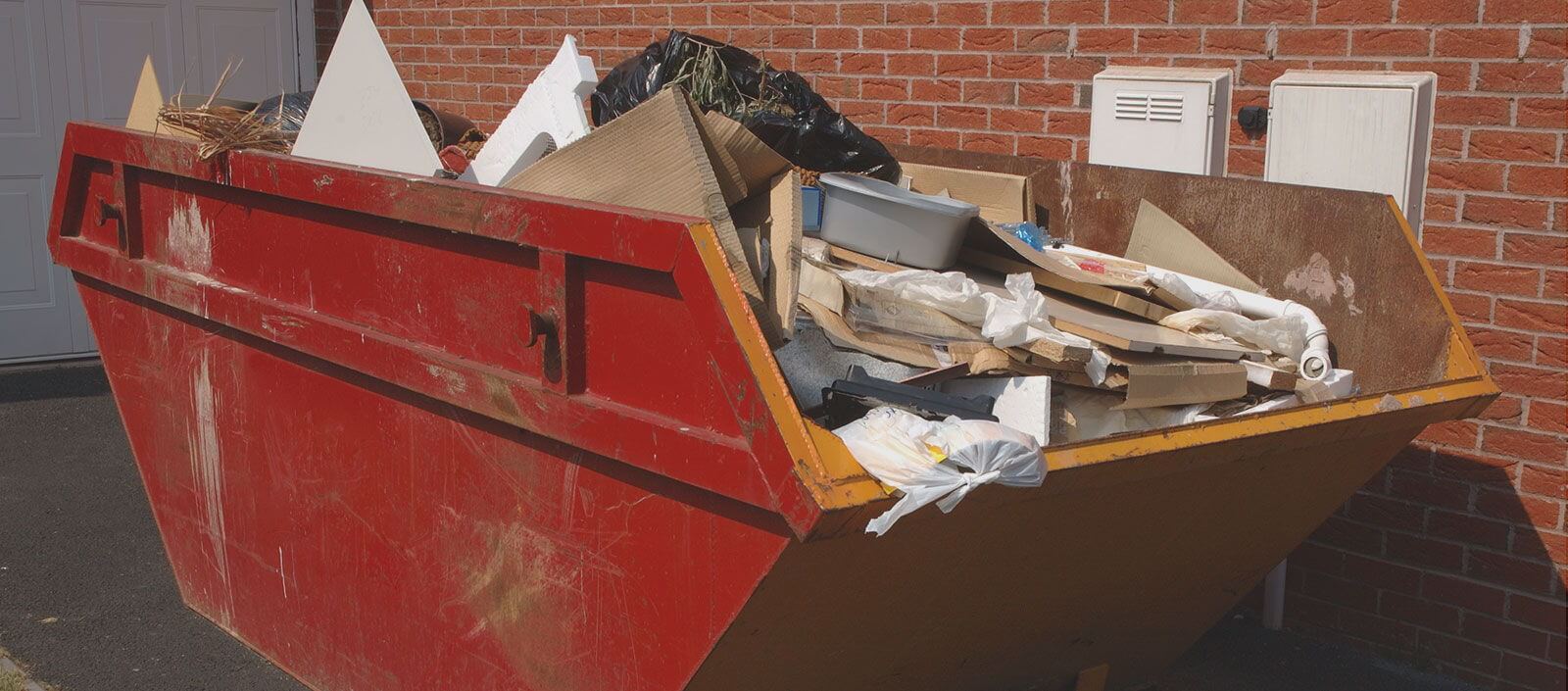
Waste Removal Marylebone
Waste removal in Marylebone should feel organised, practical and easy to arrange, whether you are clearing a flat, handling office waste or dealing with bulky items that need careful collection. Our service covers everyday rubbish removal alongside more specific clearance work, so you can choose the right option for the load rather than trying to make one size fit every job. If you are comparing services, start with our services overview to see the main categories we support.
We help with common household and business waste removal tasks, including furniture disposal, appliance removal, builders waste and property clearances. Some collections are straightforward single-item removals; others involve mixed loads, awkward access or a more detailed plan for separating reusable and recyclable material. You can also review pricing information if you want to understand how different job types are usually assessed before you send an enquiry.
For a quotation, gather the basic details of what needs removing and the kind of access involved, then use the contact route that suits you best. If your job involves several rooms, a renovation or a business premises, our pricing and quotes page is the most direct place to start your request.
Household waste removal and bulky item collection
Domestic waste often builds up in ways that are easy to underestimate: a broken wardrobe in one corner, a mattress that has been replaced, an old table waiting in the hall, or a set of bags that never quite make it to the tip. Our domestic waste collection in Marylebone is designed for these day-to-day removals, with a focus on taking away what is no longer useful without turning the process into a major disruption. The aim is simple: remove the waste safely and leave the space ready for use again.
Bulky domestic items need a slightly different approach from bagged rubbish. Sofas, wardrobes, desks and beds can require dismantling or careful lifting through tight corridors, while mixed household clutter may contain both recyclable and non-recyclable material. When planning a household collection, it helps to think about access, floor level and whether items are in a loft, cellar, garden or storage area. A clear picture of the load is usually enough to decide whether a small collection or a fuller clearance is more suitable.
What household collections commonly cover
Typical domestic jobs may include a single heavy item, a room of mixed clutter or a full flat clearance. We can also deal with white goods, old furnishings and general rubbish that has built up after decorating, reorganising or replacing appliances. Furniture removal in Marylebone is especially useful where sofas, cabinets and tables need to be taken out intact or broken down for easier handling, while white goods and appliance disposal covers items such as fridges, washing machines and similar bulky equipment.
Furniture, appliances and mixed rubbish
Furniture and appliance removals often sit alongside general rubbish collection rather than standing alone. A room can hold a mixture of storage units, loose clutter, packaging and worn-out devices, and each material may need a different route once it leaves the property. Our furniture disposal service is useful when the main priority is to clear bulky household pieces efficiently, while rubbish collection in Marylebone suits smaller mixed loads that do not need a full property clearance.
Good preparation makes a collection smoother, but it does not need to be complicated. A short list of the items, a note of where they are located and any access limitations is usually enough to plan the work sensibly. If there are heavy appliances or large items, it also helps to say whether they are free-standing, built in or already disconnected. That allows the right equipment and lifting approach to be considered without unnecessary delay.
When waste is mixed, prioritise the items that matter most to remove first. For some customers that means freeing a hallway, for others it means clearing space for a delivery or a refurbishment. You can keep the rest of the load in view while deciding whether it should be removed together or split into separate collections. If you are ready to compare options, contact us to request a quotation for your particular load.
Commercial waste, office clearance and compliance
Business waste removal needs to be handled with care because the contents of an office, shop or workspace are often more varied than a household load. Paper records, desks, shelving, packaging, broken equipment and general office clutter may all be present in one job. Our commercial waste removal in Marylebone is aimed at keeping that process orderly, with clear attention to the type of waste being moved and the setting it comes from.
Office clearances can involve more than simply taking out furniture. Desks, chairs, filing units, storage cupboards and old electronics may need to be removed in sequence so the room can be handed back or reconfigured. Where a workplace is changing layout or vacating a floor, our office clearance service provides a structured way to clear the contents without leaving the space in disarray. For businesses wanting to check broader operational details, our waste carrier licence and compliance page explains the regulatory side of the service.
Commercial jobs often benefit from a short advance discussion about what must stay, what must go and whether there are items that require special handling. In practical terms, that might include IT equipment, shelving fixed to walls, archived paperwork or stock stored in back rooms. If your enquiry includes multiple rooms or a phased clearance, a simple written summary is usually better than a guess, because it helps define the scope and keeps the quotation focused on the actual work required.
Builders waste, renovations and heavier clearances
Renovation and construction work tends to create waste in a different form from ordinary household rubbish. Offcuts, broken plasterboard, packaging, timber, tiles and old fittings can build up quickly, especially when several trades are working on the same property. Our builders waste disposal in Marylebone is intended for that kind of material, where the load is often heavier, dustier and more varied than a standard domestic collection.
After a refurbishment, the waste pile may include remnants from demolition as well as items removed to make way for new fittings. That can mean doors, units, flooring pieces, broken sanitaryware, packaging and assorted rubble. The important decisions are usually how much material needs shifting, whether it is mixed, and whether the access route allows items to be carried out safely without damage to the property. In many cases, a single collection can clear a large amount of residue once the main works are finished.
Choosing the right approach for building debris
Not every renovation load is the same. Some jobs are mostly light packaging and old fixtures; others involve dense materials that take up less space but weigh more. A sensible quote depends on recognising those differences rather than treating all building waste alike. If the job also includes a cleared room or a partially emptied property, the work may sit partly within house clearance and partly within a builders waste pickup, depending on what is being removed.
Garden waste and outdoor tidying
Garden waste removal is often about restoring order after pruning, landscaping or seasonal maintenance. Bags of green waste, cut branches, hedge trimmings, soil residues and damaged outdoor items can fill sheds, paths and corners quickly. Our garden waste removal in Marylebone offers a practical way to clear that material when the pile is too large for ordinary household disposal or too awkward to move in stages.
Outdoor clearances can also include old pots, broken garden furniture, plant containers, timber offcuts and miscellaneous debris gathered during a tidy-up. Where the waste is mostly organic, the key issue is usually volume; where it is mixed with outdoor fixtures or broken items, the job becomes more like a small mixed clearance. It helps to separate green waste from non-green waste if you can, because that makes it easier to judge what type of collection is required and how to present the quotation request.
Some outdoor jobs are best handled at the same time as internal clearances, especially if a property is being refreshed from the inside out. In those cases, the waste list should show both categories so the removal plan reflects the full scope. If the task includes loft clutter, outbuildings or storage areas, you may also want to compare it with loft clearance in Marylebone or another suitable clearance service before deciding how to proceed.
About Marylebone
Marylebone is a central London district in the City of Westminster, known for a compact street pattern that sits alongside some of the capital’s best-known institutions and open spaces. The area takes its name from the historic St Mary’s church that once stood near the river Tyburn, and its older development can still be sensed in the blend of Georgian terraces, mansion blocks and later commercial buildings. Marylebone High Street provides a clear local axis, while the surrounding streets and mews create a mixed urban grain that is less rigid than the broad squares elsewhere in central London. The district’s identity is shaped by long-established residential use, medical and academic institutions, independent shops and a concentration of cultural and architectural landmarks. Regent’s Park lies to the north, offering one of the most important open spaces nearby and connecting the area to wider routes across inner London. Baker Street, another familiar Marylebone address, is tied to transport history and to the broader story of London’s expansion westward in the nineteenth century. The district also includes notable churches, galleries and civic buildings, and it has remained associated with a balance of quiet residential streets and busy main roads. That combination of calm side streets, period architecture and strategic central location gives Marylebone a character that is both distinctly local and unmistakably metropolitan.
Clearance options for different property types
Different properties call for different removal methods, and the right service depends on what is being cleared rather than only on the type of building. A top-floor flat may need careful lifting and sorting; a townhouse may involve multiple rooms and stairs; a commercial unit may need furniture, stock and office materials removed in stages. Our range includes house clearance for domestic properties, as well as commercial waste removal for business premises that need a broader mix of items taken away.
Lofts are worth treating as a separate category because access, insulation, headroom and the age of stored items can make the work more involved than a standard room clearance. Our loft clearance service is suited to space that has been used for long-term storage and may contain a combination of boxes, furniture, old decorations and forgotten household material. Where the property includes a garage, cellar or rear store, the same principle applies: identify the place, list the contents and decide whether you need one collection or several.
Two practical points usually make the biggest difference to a quotation: first, what exactly is being removed; second, how easy it is to reach. If the items are straightforward and grouped together, the job is simpler to plan. If they are spread across rooms or need dismantling before moving, the scope changes. If you want to compare the different routes available, our waste removal page is the broadest starting point for the full service range.
Pricing, payment and how to request a quotation
Quotation requests work best when they are specific but still concise. A short description of the waste type, the number of items or bags, the property level and any access issues usually gives enough information to produce a sensible estimate. If your job includes more than one area, list them in order so the collection can be assessed as a whole. For more detail on how estimates are formed, our pricing and quotes page explains the general approach.
Payment and administration can be straightforward when the scope is clear from the start. That is why it helps to separate a single bulky item from a full clearance, or domestic clutter from commercial waste, rather than describing everything as general rubbish. If you are sending a request on behalf of a landlord, tenant, homeowner or business manager, say which party is arranging the work and what needs to happen to the space once the items are gone. It keeps the quotation relevant and reduces unnecessary back-and-forth.
When you are ready, use the contact page to send your details and ask for a quotation. If you are comparing service types first, the pages on furniture disposal, builders waste, office clearance and domestic collection can help you decide which option is the best fit before you enquire. Request a quotation here.
Safety, sustainability and service standards
Waste removal should do more than move items from one place to another. It should also be handled with attention to safety, lawful disposal and sensible sorting. Our insurance and safety page covers the importance of careful handling, while recycling and sustainability explains the value of separating suitable material for recycling where possible. These are practical parts of the service rather than decorative extras, because they affect how waste is moved and managed.
Some items need a more thoughtful approach than others. Electrical appliances, bulky furniture, mixed renovation debris and office equipment may all require different disposal routes once collected. That is why the service pages are split by category rather than bundled into a single generic promise. It helps customers choose the right route for the waste they actually have, and it gives a better basis for a clear quotation. If the job also involves a property reset, a room clear-out or an end-of-tenancy collection, the service page for that category is usually the best place to begin.
For further background on the business information presented here, you can also review about us, and if you want to understand how estimates are handled, the pricing pages remain the most useful reference. Use the contact page at the end of your decision-making process once you know which kind of collection you need, because that makes it easier to receive a quotation that matches the work rather than a vague estimate.