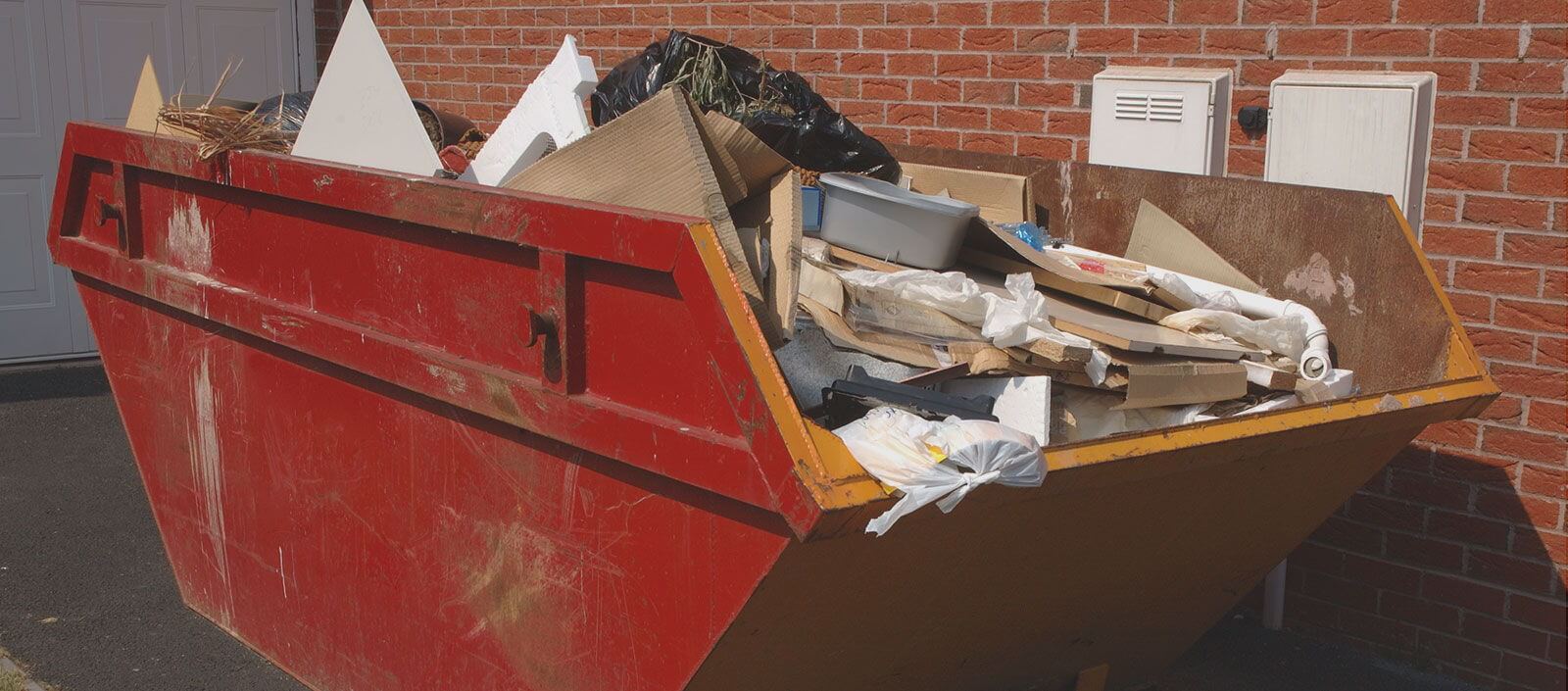
Builders' waste removal after Marylebone renovations
Posted on 10/06/2026
Renovating in Marylebone can be exciting right up until the dust, broken plasterboard, old kitchen units, timber offcuts and bagged rubble start taking over the hallway. That's where Builders' waste removal after Marylebone renovations becomes less of a nice-to-have and more of a proper part of the project. If you want the works to finish cleanly, safely, and without that awkward "where do we put all this?" moment, planning the waste side early makes a real difference.
Whether you've just finished a flat refresh near the quiet residential streets, a townhouse refurb, or a commercial fit-out, the practical questions are usually the same: what counts as builders' waste, how quickly can it be taken away, what should be separated for recycling, and how do you keep the site tidy without slowing everything down? This guide walks through the whole process in plain English, with a local Marylebone lens and a focus on what actually helps on the ground.
If you're also weighing up wider property or refurbishment planning in the area, it can be useful to understand the local context too. Articles like Marylebone home buying and selling, living in Marylebone, and a walkable guide to Marylebone help round out the bigger picture.

Why Builders' waste removal after Marylebone renovations Matters
In a place like Marylebone, waste doesn't just sit invisibly at the kerb and disappear. Renovation rubbish can block narrow access routes, create slip hazards, attract complaints from neighbours, and make a polished refurbishment look unfinished for days. The stakes are a bit higher here because many buildings are close together, loading space is limited, and projects often involve shared entrances or busy streets. Truth be told, you notice every missing bag and every pile of rubble when the hallway is already tight.
Builders' waste is also not the same as normal household rubbish. Renovation waste tends to include heavier, mixed, and sometimes awkward materials: bricks, broken tiles, concrete, metal, packaging, wood, old fixtures, plasterboard, insulation offcuts, bathroom debris, and cutoffs from joinery or flooring. If those materials are left to accumulate, they can slow down the rest of the build and make it harder for trades to work safely.
There's another reason it matters: good waste handling protects the quality of the finished project. Fresh paint, new flooring, and newly installed fittings don't look quite so fresh if the site is still surrounded by dust sheets, broken timber, and half-filled rubble sacks. A tidy clear-out is often the last thing separating "basically done" from "actually finished".
For homeowners, landlords, and builders, that final stage can also affect how smoothly the next step happens. If the property is going on the market, being re-let, or handed over to a client, a clean site supports a much better impression. That's especially relevant in a premium area where presentation matters. If you're planning a broader property move afterwards, the site-clearance phase connects naturally with guidance in investing in Marylebone property and buying and selling homes in Marylebone.
Expert summary: The best builders' waste removal is not just about "taking stuff away". It's about keeping the renovation safe, the building usable, the neighbours happy, and the final finish genuinely presentable.
How Builders' waste removal after Marylebone renovations Works
At its simplest, the process is about collecting, loading, sorting, transporting, and disposing of renovation waste in a way that is safe and compliant. In practice, though, there are a few moving parts. The right approach depends on the size of the job, the access to the property, the type of materials involved, and whether the clear-up needs to happen during the works or only at the end.
1. Assess the waste types
A good service starts with a quick assessment. Are you dealing with mostly light bagged waste, or heavy demolition debris? Is there timber to separate, metal to strip out, or plasterboard that needs special handling? The answer affects everything from the loading plan to recycling options.
2. Estimate volume and access
In Marylebone, access can matter as much as volume. A modest amount of waste in a basement flat can be trickier than a bigger pile in a ground-floor mews property. Lifts, stairwells, shared entrances, parking restrictions, and timing windows all shape the job. You can't just assume a lorry can swing by at any time and make life easy. If only.
3. Separate where sensible
Mixed builders' waste can usually be collected, but separation is often better for recycling and may reduce unnecessary handling. Clean wood, metal, cardboard, and certain inert materials may be handled differently from mixed rubble or contaminated debris.
4. Load and remove promptly
Once the waste is bagged or stacked safely, it's loaded and removed. For active renovation sites, this is often done in stages so the property doesn't become cluttered. For end-of-project jobs, it may be a one-off clearance once all trades have finished. Either way, speed matters because waste has a habit of breeding more waste. One pile becomes two, then somehow a third appears.
5. Transfer to the appropriate facility
After collection, the waste should go to the right transfer or recycling route. Reputable operators keep records and use proper waste handling processes. The exact route depends on material type and local arrangements, but the important part for the customer is simple: it should be dealt with properly, not dumped or left in a grey area.
If you're looking at the broader service picture, it helps to review a provider's full scope through services overview and understand how they approach builders' waste disposal in Marylebone.
Key Benefits and Practical Advantages
There are obvious benefits, and then there are the smaller ones that matter just as much when you're living through a renovation. The obvious one is that the rubbish disappears. The less obvious one is that the whole project feels more controlled.
- Safer working conditions: clear walkways reduce trip hazards and make it easier for trades to move materials around.
- Better productivity: builders can work faster when they're not constantly stepping around rubble and packaging.
- Cleaner handover: the finished property looks ready for use, not like it's still mid-project.
- Less stress for residents: you don't have to keep improvising storage for bags, boards, and broken fixtures.
- Improved recycling potential: separating suitable materials can reduce what goes into general mixed waste.
- Lower nuisance for neighbours: fewer bags sitting around means fewer complaints, and that matters in a close-knit area.
There's also a subtle but important benefit: better planning around waste can protect the rest of the renovation timeline. If the skip, collection slot, or labour is arranged late, small delays can snowball. In a compact London setting, those delays are more than inconvenient. They can disrupt access, affect contractors, and leave you with that end-of-job scramble nobody enjoys.
For many customers, the best result is simply this: you walk back into the property and it feels finished. The floor is clear, the bins aren't overflowing, and the echo you get in an empty renovated room is replaced by something calmer. That sounds minor. It isn't.
Who This Is For and When It Makes Sense
This service is relevant to a wider group than people first expect. Yes, it's for builders and contractors. But it's also for homeowners, landlords, managing agents, interior designers, and anyone overseeing a refurbishment where waste is being created faster than it can be quietly ignored.
Homeowners
If you've upgraded a kitchen, knocked through a wall, replaced flooring, or refreshed a bathroom, you'll likely end up with a mix of heavy and awkward debris. For a homeowner, the biggest benefit is not having to organise multiple trips to dispose of waste safely and legally. That part alone can save a surprising amount of time.
Property managers and landlords
When a rental unit is being turned around between tenants, the final clear-up is often the piece that gets squeezed. But it's also the piece that protects the next occupancy date. Builders' waste removal is especially useful when the refurbishment has left old fittings, packaging, offcuts, or damaged items that need to go quickly.
Builders and trades
For tradespeople, a reliable removal partner keeps the job moving. It's easier to keep the site safe, easier to stage materials, and easier to avoid the dreaded "we'll deal with it later" pile. Later, as everyone knows, tends to arrive with a headache.
Developers and fit-out teams
In larger refurbishments, waste management becomes a coordination issue. You may need recurring collections, staggered clearances, or a system for separating materials by type. If the project also involves offices or commercial units, it can be useful to understand how this differs from commercial waste removal in Marylebone or office clearance workflows.
A local example: a flat refurb near a quiet residential street may need a very different approach from a small office reconfiguration near a busier route. Same borough feel, very different logistics. That's the kind of thing people only learn the hard way once, ideally.
Step-by-Step Guidance
If you want builders' waste removal to run smoothly, a bit of structure helps. Here's a practical sequence that works well for most Marylebone renovation projects.
- Identify the waste early. Before the final days of the project, walk through the property and note what's likely to come out: rubble, timber, metal, packaging, fixtures, old appliances, carpets, or sanitaryware.
- Separate hazardous or special items. Don't mix unusual materials into general rubble. If anything feels questionable, keep it aside and ask before loading it with the rest.
- Choose the removal timing. Decide whether you need a mid-project clear-out, a final end-of-job removal, or regular collections over several days.
- Check access and parking. Measure doorways, stairwells, and any lift constraints. In Marylebone, access planning is often half the battle.
- Protect shared areas. Use floor protection, route planning, and sensible load paths to avoid mess in communal entrances or hallways.
- Load in a logical order. Heavy, dense waste should be handled safely first. Bagged waste and lighter items can then be moved without blocking the property.
- Confirm recycling and disposal method. Ask how the waste will be sorted and where possible materials will go. Clear answers usually signal a more organised service.
- Get paperwork and confirmation. Keep a record of what was removed and when. That's useful for property handover and peace of mind.
If you want to compare the broader clean-up route with other options, the site's waste removal in Marylebone page and rubbish collection information are worth a look too.
Expert Tips for Better Results
Over time, the jobs that go smoothly usually share the same habits. Nothing glamorous. Just decent planning and a bit of realism.
- Don't let mixed waste build up too long. Once a site gets crowded, sorting becomes slower and more awkward. Small, frequent clears are often easier than one heroic last-minute rescue.
- Use the right bags and containers. Flimsy bags tear, especially with rubble or sharp edges. That's a simple mistake that creates extra mess and time loss.
- Keep a "do not mix" pile. Wood, metal, plasterboard, and awkward fixtures are easier to manage when they're not buried under everything else.
- Plan for dust as well as waste. Waste removal solves the piles, but not the fine dust that floats onto skirting boards and window sills. Both matter.
- Think about the last 10%. That final sweep of packaging, tape, filler tubs, and offcuts can make a room feel complete. It's a small thing. Or not so small, really.
- Use a provider who understands local access. Narrow streets, shared access, and awkward loading spaces are not the place for guesswork.
A small human note here: the best renovation finishes I've seen are rarely the most expensive ones. They're the ones where the team stayed tidy from day one. You can feel the difference when you walk in. Less clutter, less stress, more confidence.

Common Mistakes to Avoid
There are a few classic slip-ups that crop up again and again. None are dramatic on their own, but they can make the end of a project messier than it needs to be.
Leaving waste until the very end
This is the big one. It seems efficient, until the waste blocks access, slows the trades, and turns into an enormous last-day task. A staged approach almost always works better.
Assuming all builders' waste is the same
It isn't. Rubble, plasterboard, wood, metal, and mixed renovation debris can need different handling. Treating everything as one pile can reduce recycling and make collection more cumbersome.
Ignoring access constraints
A property may look straightforward on paper and still be a pain in real life. Tight stairs, lack of parking, or limited frontage can all affect timing and labour.
Mixing domestic clutter with renovation waste
It happens constantly. Someone clears the loft, the bathroom is stripped, and suddenly old furniture, broken drawers, and builders' debris are all in one place. That's not ideal. Services like house clearance or loft clearance may be more suitable for separate household items.
Not checking what can be recycled
Recyclable materials are often thrown in with everything else because it feels quicker in the moment. But if you're already paying for the removal, a bit of separation can be worth the effort.
Forgetting the finish
The site can be technically cleared and still look unfinished if dust, tape, and packaging are left behind. That's why a final sweep matters. It sounds obvious, but you'd be amazed how often it gets missed.
Tools, Resources and Recommendations
You do not need a van full of specialist kit to manage renovation waste, but a few practical tools help a lot.
- Heavy-duty rubble bags: useful for dense, sharp, or dusty waste.
- Protective gloves: especially when handling broken tiles, timber, or metal edges.
- Dust sheets and floor protection: to keep shared spaces cleaner during the move-out.
- Labels or marker pens: handy for separating waste by type.
- Trolleys or sack trucks: helpful on multi-floor jobs if access allows.
- Photographs before removal: useful for project records and handover checks.
For service planning and customer reassurance, it also helps to look at broader site information such as pricing and quotes, payment and security, and about us. Those pages help you judge whether a provider feels transparent and organised before you book anything.
And if you want to understand how waste handling sits within a wider sustainability approach, the information on recycling and sustainability is especially relevant.
Law, Compliance, Standards, or Best Practice
Renovation waste in the UK should be handled carefully, and that means more than just getting it out of the way. In plain terms, you want to know that the company collecting it is authorised to carry waste, that it keeps proper records, and that it behaves responsibly with what it takes away.
A sensible rule of thumb is this: if a waste operator can't explain how they handle materials, how they separate recyclable items, or whether they operate as a properly registered carrier, that is a red flag. You don't need a lecture. You do need clarity. The page on waste carrier licence and compliance is useful for understanding the basics in straightforward language.
Best practice also includes safe manual handling, sensible loading, and care with shared areas. In properties with communal entrances or nearby neighbours, keeping routes clear and removing waste promptly is simply good manners as well as good practice.
One thing to keep in mind: some renovation waste may need more careful treatment than general rubbish. If you're unsure whether a material is suitable for mixed builders' waste, err on the cautious side and ask. That's not overcautious. That's just avoiding a headache later.
Options, Methods, or Comparison Table
There are a few ways to deal with renovation waste after a Marylebone project. Each has its place, depending on space, timing, and budget.
| Method | Best for | Strengths | Limitations |
|---|---|---|---|
| One-off builders' waste collection | Final project clear-downs | Fast, tidy, low disruption | Less flexible if waste appears in stages |
| Staged removals during the renovation | Busy sites with ongoing trades | Keeps walkways clear and workflow smoother | Requires more planning |
| Mixed waste clearance | Projects with varied debris | Convenient when materials are all over the place | Less recycling potential than sorted waste |
| Separate material sorting | Eco-conscious or larger projects | Better organisation, often better recovery rates | Takes more coordination on site |
In real life, many projects use a blend. For example, a kitchen refurb might need one removal after demolition and another at the very end once packaging, offcuts, and old fittings have piled up. That's often the sweet spot: enough structure to stay tidy, not so much complexity that the team spends half the day shuffling bags around.
Case Study or Real-World Example
Here's a realistic scenario. A Marylebone flat undergoes a kitchen and flooring renovation. The job starts with the removal of old cabinets, tile, and broken plaster. Later comes the new flooring packaging, timber offcuts, adhesive tubs, and a few awkward scraps from joinery work. The building has a shared entrance and fairly tight stairs, so leaving the debris until the end would have made the whole place feel cramped and a little chaotic.
Instead, the team arranges an early waste assessment, removes the heavy demolition material first, and schedules a second clearance near the end of the works. The result? The trades keep moving, the hallway stays usable, and the final handover feels clean rather than rushed. A neighbour even comments, in that very London way, that the works "didn't seem too disruptive", which is about as close to praise as you tend to get.
What made the difference was not a fancy system. It was timing, access planning, and not pretending the waste would manage itself. Small things, but they add up.
Practical Checklist
Use this checklist before and after your renovation waste clear-out.
- Identify all builders' waste streams before collection day.
- Separate heavy rubble from lighter mixed waste where possible.
- Set aside any special or uncertain materials for review.
- Confirm access, parking, and loading arrangements in advance.
- Protect shared hallways, floors, and door frames.
- Arrange removal before waste starts blocking work areas.
- Keep a record of what was taken away.
- Ask how recyclable materials will be handled.
- Check the site carefully once the waste is gone.
- Do a final sweep for dust, tape, and small debris.
A good checklist doesn't make the job glamorous. It just stops simple things becoming annoying things.
Conclusion
Builders' waste removal after Marylebone renovations is about much more than taking rubbish off-site. It supports safety, keeps projects moving, improves the look of the finished space, and makes the whole renovation feel properly under control. In a neighbourhood where access can be tight and presentation matters, that final clearance is part of the job, not an afterthought.
The best results usually come from simple habits: plan early, separate materials sensibly, think about access, and choose a removal approach that fits the property rather than forcing the property to fit the waste. It's a practical bit of project management, really. Nothing fancy. Just smart, tidy, reliable work.
If you're weighing up your next step, look at the wider service information, compare your options, and choose a team that understands both renovation logistics and local expectations in Marylebone. A good finish has a way of making everything else feel worth it.
Get a free quote today and see how much you can save.