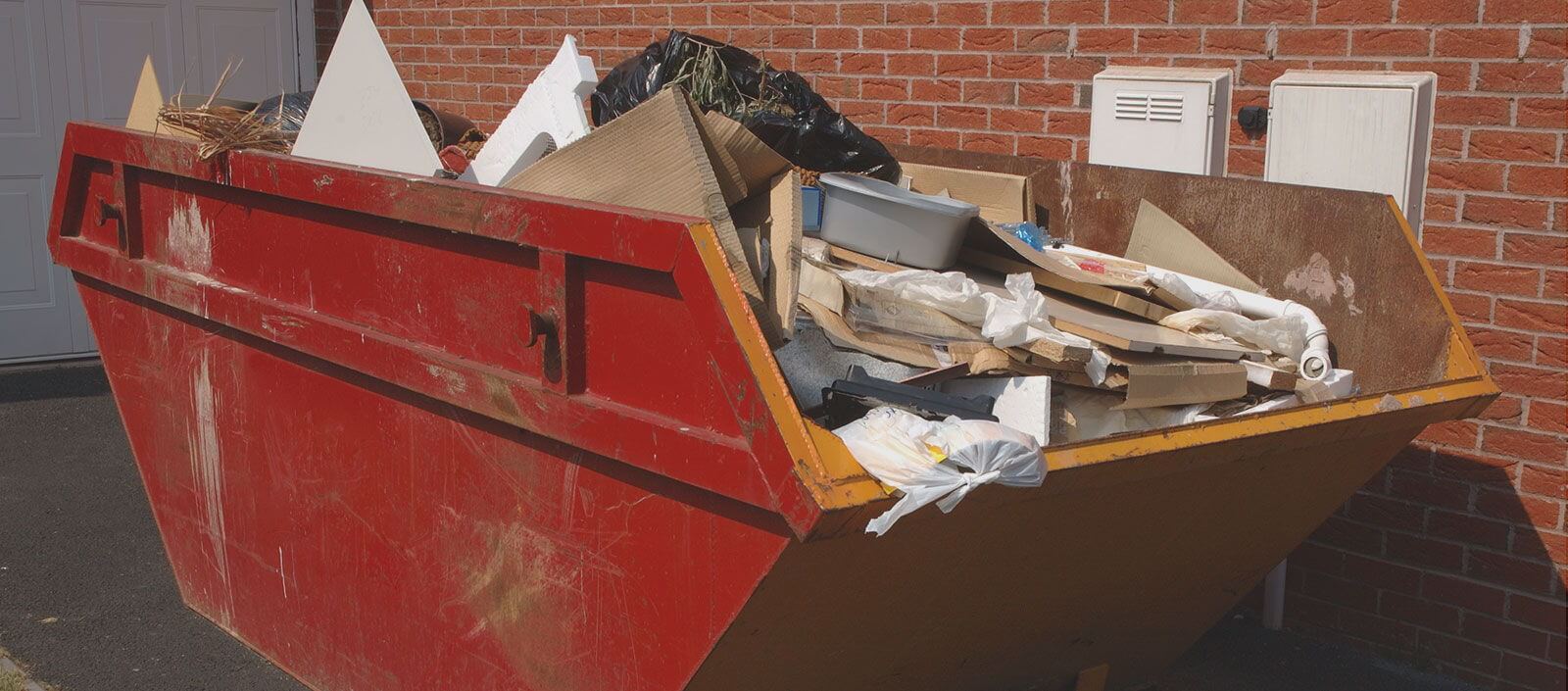
Westminster Council rubbish rules every Marylebone resident
Posted on 26/06/2026
Westminster Council rubbish rules every Marylebone resident should know
If you live in Marylebone, rubbish collection can feel simple right up until the moment it suddenly isn't. One week the bin bags go out neatly and disappear; the next, there's a missed pickup, a bulky item in the hallway, or a neighbour complaining about bags left too early. Westminster Council rubbish rules every Marylebone resident should understand are basically there to keep streets cleaner, pests away, and shared buildings running without friction. And yes, they matter even more in a busy, mixed-use part of central London like Marylebone, where flats, mansion blocks, mews houses, offices, and restaurants all sit close together.
This guide breaks the rules down in plain English. You'll learn how the system works, what usually goes wrong, what to do with awkward waste, and where private help can make life easier when you simply do not want to wrestle with a broken wardrobe at 8pm on a Tuesday. Let's make it straightforward.
Why Westminster Council rubbish rules matter in Marylebone
Marylebone has a particular rhythm to it. People are moving in and out of buildings, trade vans are parking and unloading, restaurants are dealing with packaging, and residents are trying to keep entrances presentable. That means waste is not just a private matter; it is part of how the whole street feels.
Westminster's rubbish rules matter because they help prevent four common problems: overflow, pest issues, missed collections, and fly-tipping. In a place where a single bag left on the pavement stands out immediately, even a small mistake can create a bigger nuisance than you'd expect. To be fair, most residents are not trying to be careless. It's usually a matter of unclear instructions, rushed mornings, or a building with awkward storage.
There's also a money angle. If waste is dumped incorrectly, left where it should not be, or handed to the wrong carrier, the cleanup and compliance headaches can become expensive. If you are dealing with a flat clearout, renovation, or moving day, it pays to know the basics before things get hectic.
For people already thinking about a larger clearance or a one-off pickup, the broader services overview can help you see how different waste situations are usually handled in practice.
How Westminster Council rubbish rules every Marylebone resident should follow works
The system is easiest to understand if you split waste into categories. Not everything goes out with normal household rubbish, and that is where many residents get caught out. In most Marylebone homes, you're dealing with a mix of general waste, recycling, food waste where applicable, garden cuttings, electrical items, and bulky waste. Each one tends to have its own expectations.
1. General household rubbish
General waste is the everyday stuff that cannot be recycled through the standard household stream. Think food-contaminated packaging, broken household bits, and things that are not reusable. The key thing is presentation: bins should be used properly, lids should close, and loose bags should not be left out too early if your building or collection schedule does not allow it.
2. Recycling
Recycling rules are usually less forgiving than people expect. A takeaway box with food left in it, for example, can contaminate a whole container. That's frustrating, because people mean well. But mixed materials and dirty packaging often cause the biggest issues. Flattening cardboard, rinsing containers where appropriate, and keeping recyclables separate all make a real difference.
3. Bulky and awkward waste
Mattresses, wardrobes, sofas, white goods, and office furniture do not belong on the pavement just because they are inconvenient. They often need a special collection, a licensed carrier, or a planned removal. A lot of Marylebone residents discover this the hard way when a flat clearout turns into a hallway traffic jam. If that sounds familiar, the dedicated mattress disposal guidance for Marylebone flats is a practical next read.
4. Construction and renovation waste
Rubble, plasterboard, timber, tiles, old units, and packaging from a refurbishment need more care than normal rubbish. This is especially relevant in Marylebone, where renovations can happen in older properties with narrow staircases and limited storage. Builders' waste should be separated where possible and removed by a compliant provider. If you are mid-project, it's worth reading about builders' waste removal after Marylebone renovations.
5. Commercial waste
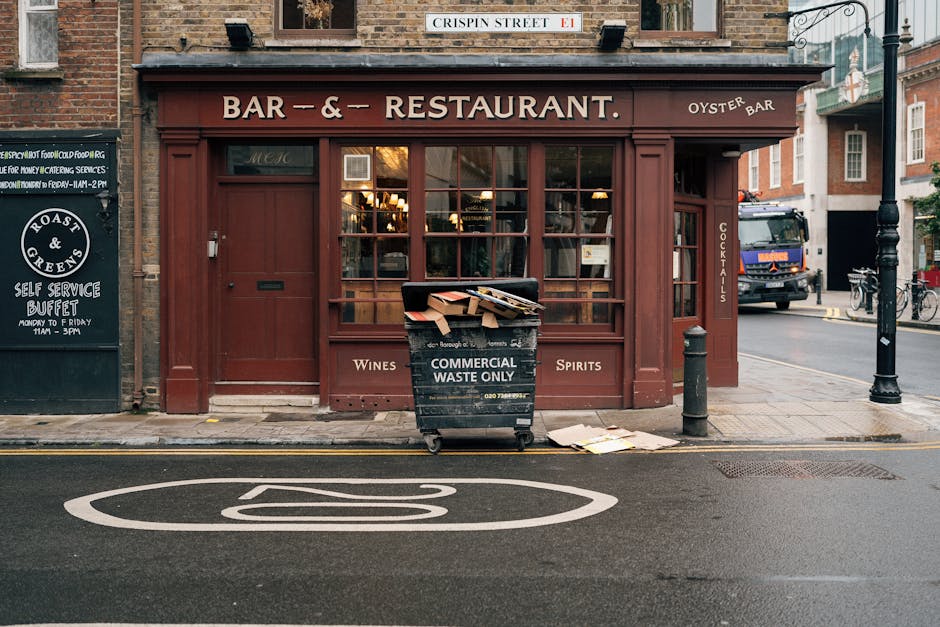
If you run a business from a Marylebone office, clinic, shop, or hospitality venue, your waste duty is different from a typical household setup. You need reliable collection, correct storage, and proper records. For businesses, the practical side matters as much as the legal side. No one wants black bags building up behind the premises by Friday afternoon.
For mixed residential and business waste needs, commercial waste removal in Marylebone is worth keeping in mind alongside domestic waste collection in Marylebone.
Key benefits and practical advantages
Following the rules does more than keep you on the right side of the council. It also makes daily life less annoying, which is honestly reason enough.
- Cleaner communal areas: Bags are less likely to split, smell, or attract pests.
- Fewer complaints: In shared buildings, good waste habits reduce tension between neighbours.
- Less risk of fines or enforcement action: Incorrect disposal and fly-tipping can bring unpleasant consequences.
- Better recycling performance: Cleaner sorting means more material can be processed properly.
- Smoother move-outs and refurbishments: When waste is planned, clearouts feel a lot less chaotic.
There's also a subtle benefit people miss: good waste habits make a building feel more cared for. You notice it on a damp weekday morning when the entrance is tidy, the bin store smells neutral, and nobody is apologising for last night's overflowing bag. Small thing, big difference.
If sustainability matters to you, the site's recycling and sustainability page is a sensible companion to this article.
Who this is for and when it makes sense
These rules are relevant to almost everyone living or working in Marylebone, but some people need them more urgently than others.
- Flat renters: Especially if your building has shared bins, tight collection windows, or limited storage.
- Homeowners: Ideal if you are managing your own bins, garden waste, or one-off clearouts.
- Landlords and letting agents: Waste problems at changeover time can snowball quickly.
- Offices and small businesses: Reliable disposal is part of keeping a professional space presentable.
- People renovating or decluttering: Waste volumes can spike fast after a move, refit, or spring clean.
Marylebone residents in mansion blocks often have to think a step ahead because storage space is limited. You may not have a driveway. You may not have a lift that fits a sofa. You may not even have a sensible place to keep a mattress for a week. That is exactly when a planned collection can save time and a fair bit of stress.
For residents weighing property moves or major life changes, the local context in Marylebone home buying and selling and living in Marylebone: local opinions gives a useful sense of how tightly space, timing, and waste management often intersect.
Step-by-step guidance
If you want to stay organised, follow this sequence rather than deciding on the day and hoping for the best.
- Identify the waste type. Start by splitting items into general rubbish, recycling, food waste, bulky items, electricals, green waste, and construction waste.
- Check what can be reused or donated. A chair, lamp, or table that still has life in it should not be treated like landfill filler if it can be passed on.
- Separate recyclable material. Cardboard, clean plastics, metals, and glass often need different handling than mixed household waste.
- Package items safely. Bag loose waste, tape sharp edges, and keep broken glass or splintered wood secure.
- Choose the right disposal route. Use your building's bins, a booked collection, or a licensed waste service depending on the material.
- Time the collection properly. Do not leave items out too early unless the rules or collection instructions clearly allow it.
- Keep proof where relevant. If a professional service removes your waste, keep records or invoices so you know who handled it.
A small tip from real life: do the sorting before the pile grows. Once bags, boxes, and a half-dismantled shelf start blending together, everything feels heavier than it is. And somehow the stairs get narrower too. Funny that.
If you need a more hands-off route, a booked collection can be easier than trying to coordinate multiple trips. For general household clearances, rubbish collection in Marylebone or waste removal in Marylebone may fit better than trying to manage it all yourself.
Expert tips for better results
A few habits make a surprisingly big difference.
- Label waste by room. It sounds fussy, but it speeds up sorting during a clearout.
- Flatten packaging early. Cardboard takes up less room and is easier to carry down narrow stairs.
- Keep food waste separate. It reduces smell and helps prevent contamination.
- Use strong bags for sharp or wet items. Cheap bags split at the worst moment, naturally.
- Book bulky removals before the deadline. Don't leave a sofa or appliance waiting in the hall for days.
- Ask about access. In Marylebone, access can be the hidden problem, not the waste itself.
One practical observation: many residents focus on what they are throwing away and forget how they are getting it out. If you live above street level, in a basement flat, or in a period property with tricky stairs, disposal logistics matter just as much as disposal type.
For awkward items such as fridges, freezers, and washing machines, the page on white goods and appliance disposal in Marylebone is a useful reference point.
Common mistakes to avoid
Most waste problems are boringly predictable. That's good news, because it means they're avoidable.
- Leaving bags beside overfull bins: This often turns into a bigger mess than the original bin problem.
- Mixing recyclables with food waste: Contamination can spoil otherwise useful material.
- Dumping items in shared bin stores without asking: In communal buildings, one person's shortcut becomes everyone's nuisance.
- Putting bulky items out without arrangement: Sofas and mattresses are the classic troublemakers.
- Using an unlicensed remover: If waste is fly-tipped, the original owner can end up dealing with the fallout.
- Ignoring building rules: Some blocks have quite specific collection times and storage expectations.
There is also the temptation to think, "It's just one item." That's where people slip. One item becomes three, then a hallway, then a complaint. Before long, you are the cautionary tale in the WhatsApp group. Nobody wants that.
If you want to reduce the risk of illegal dumping and poor handling, this related article on avoiding fly-tipping fines with secure Marylebone pickup is especially relevant.
Tools, resources and recommendations
You do not need a complicated toolkit to stay on top of rubbish rules. In practice, the best "tools" are simple and local.
- Strong refuse bags: Use good-quality bags that will not split on stairs or pavements.
- Basic labels or markers: Helpful for sorting items by room or material.
- Measuring tape: Useful when checking whether furniture will fit through a doorway or lift.
- Moving blankets or cardboard: Handy for protecting floors and making bulky items easier to move.
- A booking calendar: Sounds obvious, but timing is half the battle.
For many households, the most useful resource is simply choosing a removal option that matches the volume of waste. A single bin bag does not need the same approach as a full flat clearance. That's why it helps to compare services before you book anything.
If you're in the middle of sorting a loft, storage room, or whole property, house clearance in Marylebone, loft clearance in Marylebone, and furniture removal in Marylebone are all worth considering.
Law, compliance, standards and best practice
Without getting overly legalistic, there are a few principles every resident should keep in mind. Waste should be stored and disposed of in a way that does not create a nuisance, a hazard, or an avoidable mess. If you use a private collector, that collector should be properly authorised for waste carriage and able to handle material responsibly.
Best practice usually means:
- Using licensed operators for removal work.
- Keeping waste separate where it helps recycling.
- Following building collection rules and timing windows.
- Not leaving items on the street unless collection arrangements permit it.
- Keeping records for business waste or larger clearances where appropriate.
For reassurance around third-party handling, the site's waste carrier licence and compliance page is useful. And if you're booking a service online, the pages on payment and security and terms and conditions help set expectations clearly.
One thing worth saying plainly: if you are ever unsure whether an item belongs in general rubbish, recycling, or a special collection, pause and check before binning it. That little pause can save a lot of hassle later.
Options, methods, or comparison table
There is no single best way to dispose of waste in Marylebone. It depends on volume, item type, building access, and how quickly you need the space back.
| Method | Best for | Pros | Watch-outs |
|---|---|---|---|
| Standard household bins | Daily general waste and basic recycling | Convenient, routine, low effort | Limited capacity, strict sorting, unsuitable for bulky items |
| Booked bulky collection | Sofas, mattresses, appliances, furniture | Cleaner and easier than dragging items out alone | Needs planning and correct item preparation |
| Private waste removal | Clearouts, multiple rooms, mixed loads, tight deadlines | Flexible, fast, useful for awkward access | Choose a compliant provider and check the scope first |
| Commercial collection | Offices, shops, hospitality, shared buildings | Regular, scalable, more predictable | Requires reliable scheduling and good storage |
For many Marylebone residents, private removal becomes the sensible middle ground when the job is too awkward for bins but too small for a full skip. If you're comparing options, the local pages on furniture disposal, garden waste removal, and builders waste disposal are good examples of how different waste streams are usually handled.
Case study or real-world example
Picture a Marylebone flat on a third floor, no lift, narrow landing, and a couple of awkward items left over after a move: an old mattress, two broken dining chairs, a box of mixed packaging, and a small appliance that nobody wants to be responsible for. It's not a huge amount of waste, but it's enough to become a nuisance very quickly.
The resident could try to break the job into multiple trips. That sounds manageable at first, then the reality of the stairs arrives. Or they could leave the items in the hallway while waiting for "a better time," which is how shared spaces get messy and neighbours get annoyed. Instead, a better approach is to sort the waste, separate the recyclable material, confirm what needs special handling, and arrange one proper removal slot.
In a case like that, the key win is not just removing the items. It is restoring the flat back to normal in one go. You open the windows, the hallway is clear again, and the flat stops feeling like a halfway point between homes. That relief matters more than people admit.
For larger or more mixed clearouts, a coordinated service can make life much smoother. Relevant examples include office clearance in Marylebone for work premises and the local Portman Estate clearouts guide for a more estate-specific view of the process.
Practical checklist
Use this before putting anything out or booking collection.
- Have I identified the waste type correctly?
- Can any item be reused, donated, or repaired first?
- Is the waste separated into recyclable and non-recyclable material?
- Are sharp, wet, or breakable items safely packed?
- Does my building have a specific collection window or bin-store rule?
- Do I know whether this item needs a booked bulky collection or licensed removal?
- Have I avoided leaving waste in a corridor, lobby, or pavement area?
- Have I checked access issues such as stairs, lifts, and parking?
- Am I keeping records if the waste is commercial or part of a larger job?
- Do I know who is actually taking the waste away?
If you can tick all of those, you are already ahead of the usual Monday-morning mess.
Conclusion
Westminster Council rubbish rules every Marylebone resident should know are not there to make life difficult; they're there to keep a dense, busy neighbourhood manageable. Once you understand the basics, the system is actually pretty logical. Separate waste properly, respect collection timing, avoid leaving bulky items where they do not belong, and choose the right disposal route when the job is bigger than a normal bin can handle.
That's the heart of it. Do the simple things well, and most rubbish problems disappear before they become expensive, awkward, or embarrassing. And in Marylebone, where space is precious and streets are shared by everyone, that quiet bit of order goes a long way.
If you're dealing with a clearout, a bulky item, or a waste problem that needs handling without drama, the next step is usually easier than you think.
Get a free quote today and see how much you can save.