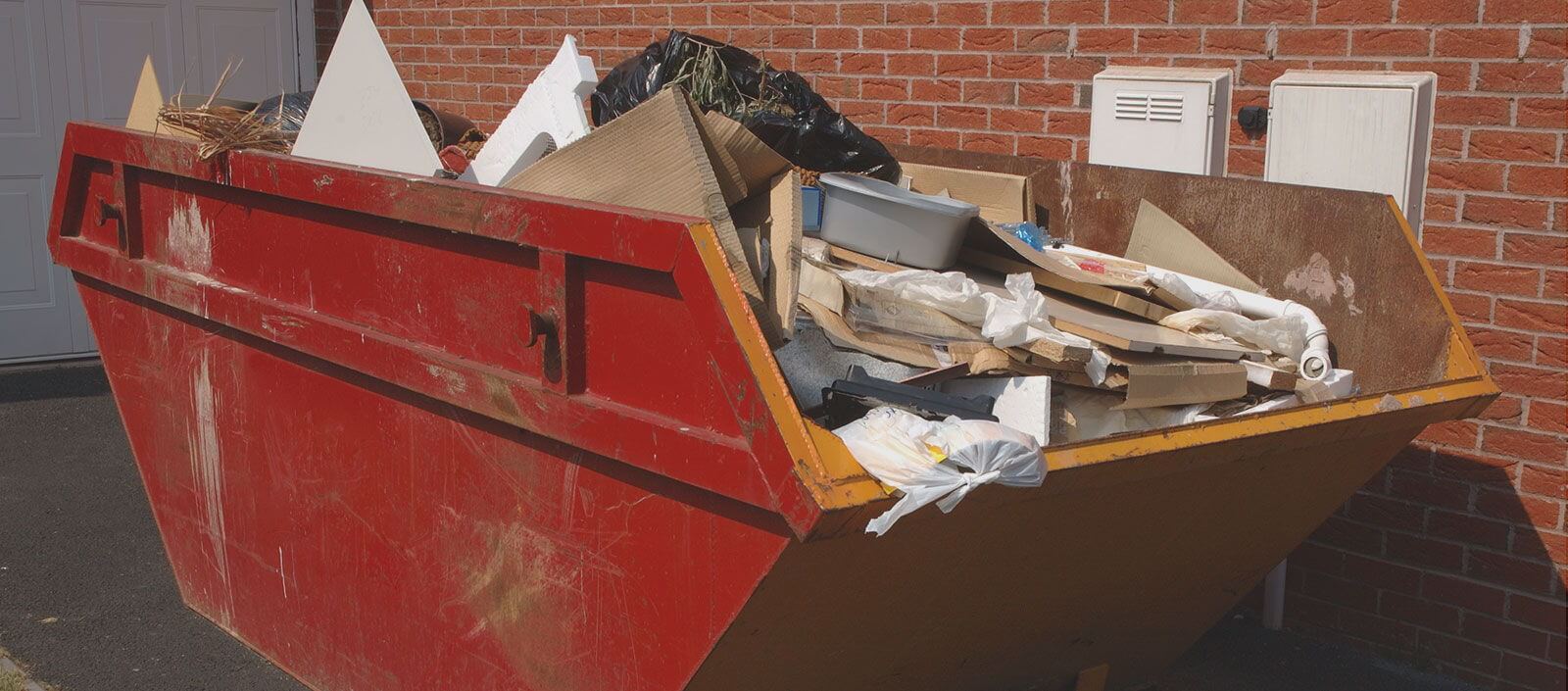
Skip permit rules in Marylebone (City of Westminster)
Posted on 05/07/2026
If you are planning a clear-out, renovation, or building job in Marylebone, skip permit rules can catch you out surprisingly fast. One minute you are focused on getting rid of rubble or old furniture, the next you are trying to work out whether the skip can sit on the road, who needs to apply, and what happens if you get it wrong. Truth be told, that confusion is common.
This guide breaks down Skip permit rules in Marylebone (City of Westminster) in plain English. You will learn when a permit is usually needed, what affects the application, how the process tends to work, and the practical mistakes that lead to delays or fines. If you only need the essentials, you can skim the sections below. If you want to avoid the usual headaches, take your time - it's worth it.

Why Skip permit rules in Marylebone (City of Westminster) Matters
Marylebone is dense, busy, and full of narrow streets, controlled parking, loading restrictions, and residents who genuinely notice when something blocks the road. That is exactly why skip permit rules matter here more than many people expect. A skip placed on a public highway is not just a container for waste; it becomes part of street management, traffic flow, safety, and neighbourhood access.
In practical terms, a permit matters because it helps make sure the skip is positioned legally and safely. A skip left in the wrong place can restrict parking bays, complicate deliveries, annoy neighbours, and create avoidable risks for pedestrians, cyclists, and drivers. In a place like Marylebone, that can escalate quickly. Let's face it, a tight street with a skip in the wrong spot does not stay quiet for long.
It also matters because responsibility does not disappear just because a contractor is involved. If you are the person ordering the skip, you still want clarity on whether a permit is needed, who arranges it, how long the placement is allowed, and whether the skip company is set up to deal with the administrative side properly. A little upfront checking can save a lot of back-and-forth later.
If you are dealing with a wider clean-up, it may also help to understand related waste arrangements in the area, including Westminster Council rubbish rules for Marylebone residents. That article sits neatly alongside this one if you want the broader picture.
How Skip permit rules in Marylebone (City of Westminster) Works
At a high level, the rule is simple: if a skip is going on private land, such as a driveway, forecourt, or private car park, a permit is usually not needed. If it is going on the public highway, that is a different story. In City of Westminster, placing a skip on the road or in a controlled public space generally requires permission before the skip arrives.
The permit is usually tied to where the skip sits, how long it stays, and whether the location affects pedestrians, vehicles, or parking. The exact details can vary depending on the street, the local restrictions, and the nature of the placement. Some roads are far more sensitive than others. Near busy shopping stretches, residential permit bays, or narrow one-way streets, extra care is often needed. You can almost picture the problem before it starts.
Most people do not apply for the permit themselves. In many cases, the skip provider arranges it as part of the service, but not always. That is one of the first things to ask. Do not assume the booking includes the paperwork unless it is clearly stated. A quick confirmation saves that awkward moment when the lorry is ready, the materials are piled up, and the skip cannot be dropped where you planned.
There is also the practical side of placement. A skip may need lighting, signage, reflective markings, and proper positioning so it does not obstruct sight lines or create a hazard. Depending on the road and the time of year, those details matter more than people realise. Winter evenings, rain, and low visibility can make a poorly placed skip much riskier than it looks in daylight.
Key Benefits and Practical Advantages
Following the permit rules is not just about avoiding penalties. Done properly, it makes the whole job smoother. That sounds obvious, but in real life the difference is often dramatic.
- Fewer delays: If the permit is arranged early, the skip can arrive when you need it rather than sitting in limbo.
- Lower risk of complaints: Proper placement helps reduce nuisance for neighbours and passers-by.
- Better site control: A compliant setup makes it easier to manage rubbish, loading, and access around the skip.
- Improved safety: Clear positioning and correct signage make the street safer for everyone.
- Less stress: You are not trying to solve a paperwork problem while also handling a clear-out or renovation.
There is a quieter benefit too: you look organised. In Marylebone, where many properties are tightly packed and access is often limited, that matters. Whether you are a homeowner, landlord, contractor, or office manager, a well-managed skip placement signals that the job is under control.
Expert summary: In Marylebone, a skip permit is less about bureaucracy and more about keeping access safe, neighbours happy, and your project moving without interruption.
And if your project involves regular waste movement rather than a one-off skip, it may be worth comparing alternatives such as broader waste removal services or a more flexible collection approach. Sometimes that is the cleaner solution, especially for smaller or more time-sensitive jobs.
Who This Is For and When It Makes Sense
Skip permit rules in Marylebone are relevant to far more people than just builders. The common thread is simple: if your waste will not fit neatly into a few bags or a standard collection, you need a plan.
You may need to think about a permit if you are:
- renovating a flat or townhouse
- stripping out a kitchen or bathroom
- managing a house clearance after a move
- clearing builders' rubble after a refurbishment
- disposing of bulky furniture or mixed waste
- handling waste for a business, office, or commercial unit
It also makes sense if your property has no private parking or rear access. In Marylebone, that is extremely common. Many people simply do not have the luxury of a private forecourt or driveway. So the road becomes the default, and once the road is involved, the permit question appears.
For landlords and property professionals, the issue shows up during void periods, end-of-tenancy clear-outs, and pre-sale refreshes. If you are involved in property work, you may find related reading useful, such as Marylebone home buying and selling and property investment guidance for Marylebone. Waste planning sounds minor until it delays handover day. Then it is suddenly not minor at all.
For local residents, especially in flats, skip permits often become relevant during life admin moments: a long-overdue loft clear-out, replacing a worn sofa, or sorting the aftermath of a winter declutter. If that sounds familiar, you are not alone.
Step-by-Step Guidance
If you want the simplest way to handle the process, follow a proper sequence rather than improvising on the day. A little structure goes a long way.
- Check whether the skip will sit on private or public land.
Private land usually avoids the permit question. Public highway placement usually does not. - Measure the space properly.
Street widths, bay lengths, and loading room can be tighter than they look in a quick glance. - Confirm who is arranging the permit.
Ask the skip provider whether permit administration is included or separate. - Choose the right skip size.
An undersized skip can force a second booking; an oversized one may be harder to position. - Plan the timing carefully.
Book ahead if your works are time-sensitive, especially if trades are coming in on fixed dates. - Ask about signage and safety requirements.
Make sure the skip will be set up in a way that respects visibility and access. - Keep the waste stream sensible.
Do not fill a general skip with items that need separate handling, such as certain electrical items or restricted materials. - Track the collection date.
A skip that stays too long can become a nuisance and may run beyond what was agreed.
One practical tip: take photos of the planned location before the skip arrives. It sounds almost too basic, but it helps if there is any confusion about the placement or access. A quick picture of the road, bay markings, or front area can save a lot of explanation later.
If the job is more of a room-by-room clear-out than a construction project, you may also want to compare a skip with services like house clearance in Marylebone or loft clearance. Different jobs, different tools. Simple as that.
Expert Tips for Better Results
In our experience, most skip problems in Marylebone come from rushing the planning rather than from the permit itself. A few smart decisions early on make the whole thing feel easier.
Book before the work starts
People often wait until the loft is half emptied or the kitchen has already been ripped out. That is usually too late. Book once you know the dates. If the permit is needed, you want it in place before the waste starts piling up beside your feet.
Keep the waste type realistic
Do not treat a skip as a magical everything-bin. Mixed waste is common, yes, but some items are better handled separately. Mattresses, appliances, and heavy builders' waste can affect how the job is priced and arranged.
Match the method to the street
Marylebone streets vary a lot. Some locations are calmer and easier to manage; others are tight, busy, and unforgiving. If access is awkward, a skip is not always the neatest answer. Sometimes a scheduled collection or targeted disposal service works better.
Check the loading arrangement
If the skip will sit in front of a property, think about day-to-day use. Can residents still get in? Can trades still unload? Can delivery vans pass without drama? It is boring planning, but the useful kind.
Talk to the people affected
If you share the street, building, or courtyard, let neighbours know what is coming. A short heads-up prevents misunderstandings. The sound of a skip being dropped at 8:00 a.m. is not everyone's favourite alarm clock.
For projects with a sustainability angle, it can also help to review recycling and sustainability guidance. Waste handling is not just about getting rid of things; it is also about sorting them in a sensible way.

Common Mistakes to Avoid
There are a few repeat offenders when it comes to skip permit issues. Most are avoidable, which is the annoying part.
- Assuming the skip company handles everything: Some do, some do not. Always ask.
- Leaving the permit conversation too late: Last-minute bookings are where stress multiplies.
- Choosing the wrong location: A spot that looks fine in daylight may be a nightmare once vehicles and pedestrians are moving through.
- Overfilling the skip: That creates safety issues and can complicate collection.
- Mixing prohibited items with ordinary waste: Electricals, certain hazardous items, and special materials often need separate treatment.
- Ignoring access restrictions: Loading bays, residents' permits, bus routes, and narrow junctions all matter.
- Forgetting the collection plan: A skip left too long turns into clutter, then irritation, then a problem.
One of the less obvious mistakes is not thinking about the building next door. If a skip blocks light, access, or the usual unloading route, even a small job can create a bigger dispute than you expected. That is often how these things go, a bit sideways before anyone notices.
If your concern is avoiding penalties altogether, this related article on secure Marylebone pickup and fly-tipping prevention is worth a look. It complements skip planning well, especially for mixed or urgent waste jobs.
Tools, Resources and Recommendations
You do not need a stack of specialist tools to understand skip permit rules, but a few simple habits help.
- Site photos: Use your phone to document the intended placement area.
- Basic measurements: A tape measure helps avoid guesswork about width and clearance.
- Project dates: Write down when trades are due, when waste will be generated, and when the skip should be removed.
- Waste list: Make a rough list of what you expect to throw away so you can match the collection method properly.
- Provider checklist: Ask whether permit support, delivery timing, collection timing, and any restrictions are all included.
For many readers, the best practical recommendation is to speak early with a provider who understands local conditions in Westminster. That is especially useful if you are dealing with an office unit, a rental turnover, or a property project with moving parts. If the job is commercial, the right route may be commercial waste removal in Marylebone rather than a skip at all.
For specific waste streams, the right service can be even more efficient. For example, builders' waste disposal is often a better fit for renovation debris, while furniture removal can be more practical for bulky household items. Different job, different answer. That saves time and, honestly, a bit of money too.
Law, Compliance, Standards, or Best Practice
Skip permit rules are shaped by local highway management, public safety expectations, and the practical need to keep roads usable. Exact procedures can change, so it is wise not to rely on outdated assumptions or hearsay from a neighbour who "did it once, years ago." That sort of advice can be charming. Not always accurate.
As a rule of thumb, treat any skip that enters public space as a regulated placement. That means the timing, location, and safety measures all matter. Good practice usually includes:
- confirming the need for a permit before delivery
- ensuring the skip is placed where it does not create an obstruction
- keeping the area visible and safe for road users and pedestrians
- using a responsible waste carrier with proper compliance arrangements
- making sure waste is handled and transferred lawfully
It is also sensible to use a company that can talk clearly about compliance, insurance, and handling standards. If you want a sense of the broader business standards behind the service, the pages on waste carrier licence and compliance, insurance and safety, and terms and conditions are useful supporting references.
In plain terms, compliance is about more than paperwork. It is about reducing risk for you, for the street, and for anyone handling the waste after it leaves the property. That is the bit people forget until something goes wrong.
Options, Methods, or Comparison Table
If you are deciding how to manage waste in Marylebone, a skip is only one of several options. The right choice depends on access, waste type, urgency, and whether you can use the street legally.
| Method | Best for | Permit needed? | Typical advantage | Possible drawback |
|---|---|---|---|---|
| Skip on private land | Homes with driveway or yard access | Usually no | Simple and discreet | Needs enough private space |
| Skip on public road | Properties without private access | Usually yes | Useful for larger jobs | Needs planning and compliance |
| Scheduled waste collection | Smaller or staged clear-outs | No skip permit, but collection rules still apply | Flexible and quick | May not suit very bulky waste |
| Targeted item disposal | Furniture, appliances, or single bulky items | No skip permit | Efficient for specific items | Not ideal for mixed rubble |
| Full clearance service | Whole rooms, flats, or office spaces | No skip permit | Less work for you | Not always necessary for small jobs |
As a decision tool, this table keeps things practical. If you have access and volume, a skip can work well. If access is limited, a collection or clearance service may be cleaner and quicker. That is especially true in Marylebone where pavement space is precious and traffic patterns are unforgiving.
Case Study or Real-World Example
Picture a typical Marylebone flat refurbishment. The owner wants to replace a kitchen, remove old cabinets, clear out bagged waste, and dispose of a few bulky items. The road outside is narrow and already tight with resident parking. At first glance, a skip seems like the obvious choice.
Then the details start to matter. The nearest public parking space is controlled. A delivery window is limited. Builders need a safe place to stack debris. The property itself has no driveway, so the skip would have to go on the road. That means the permit question cannot be ignored.
Instead of waiting until the kitchen is torn out, the owner checks the access constraints early, confirms whether the provider can support the permit process, and compares the skip with a more flexible waste collection option. In the end, the waste is split: bulky items are handled through dedicated removal, while rubble and mixed debris go by a planned collection route. Less disruption, fewer surprises, and no awkward scramble for last-minute approval.
That sort of planning is not glamorous. But it works. And in a place like Marylebone, working smoothly is half the battle.
Practical Checklist
Use this quick checklist before you order anything:
- Have you checked whether the skip will be on private or public land?
- Do you know whether a permit is required for the planned location?
- Has the skip provider confirmed who arranges the permit?
- Have you measured the available space properly?
- Do you know the start date, delivery time, and collection time?
- Have you considered whether the street is narrow, busy, or controlled?
- Are you clear on what waste can and cannot go in the container?
- Have you planned for bulky items, electricals, or other special waste separately?
- Will neighbours, tenants, or contractors be affected by the placement?
- Have you checked that the waste carrier and service setup are compliant?
If you can tick most of those boxes, you are already ahead of the usual rush-and-hope approach. And that, frankly, is where most of the savings come from.
For jobs that are more about clearing space than hiring a skip, you may also want to review rubbish collection in Marylebone or waste removal in Marylebone. They can be better suited to smaller, faster, or more access-sensitive jobs.
Conclusion
Skip permit rules in Marylebone are not complicated once you break them into three questions: where will the skip go, who is arranging the permission, and how will the waste be managed safely? Answer those honestly before the delivery date and you remove most of the stress from the process.
Marylebone is a lovely place to live and work, but it is not forgiving when a skip is handled casually. Space is tight, access matters, and neighbours notice quickly. The good news is that careful planning solves most of it. You do not need to overthink the whole thing. Just check the land, confirm the permit responsibility, and choose the right disposal method for the job.
Get a free quote today and see how much you can save.
And if you are still deciding whether a skip is the right fit, take a breath, look at the space, and choose the option that makes the least fuss. That is usually the best one.