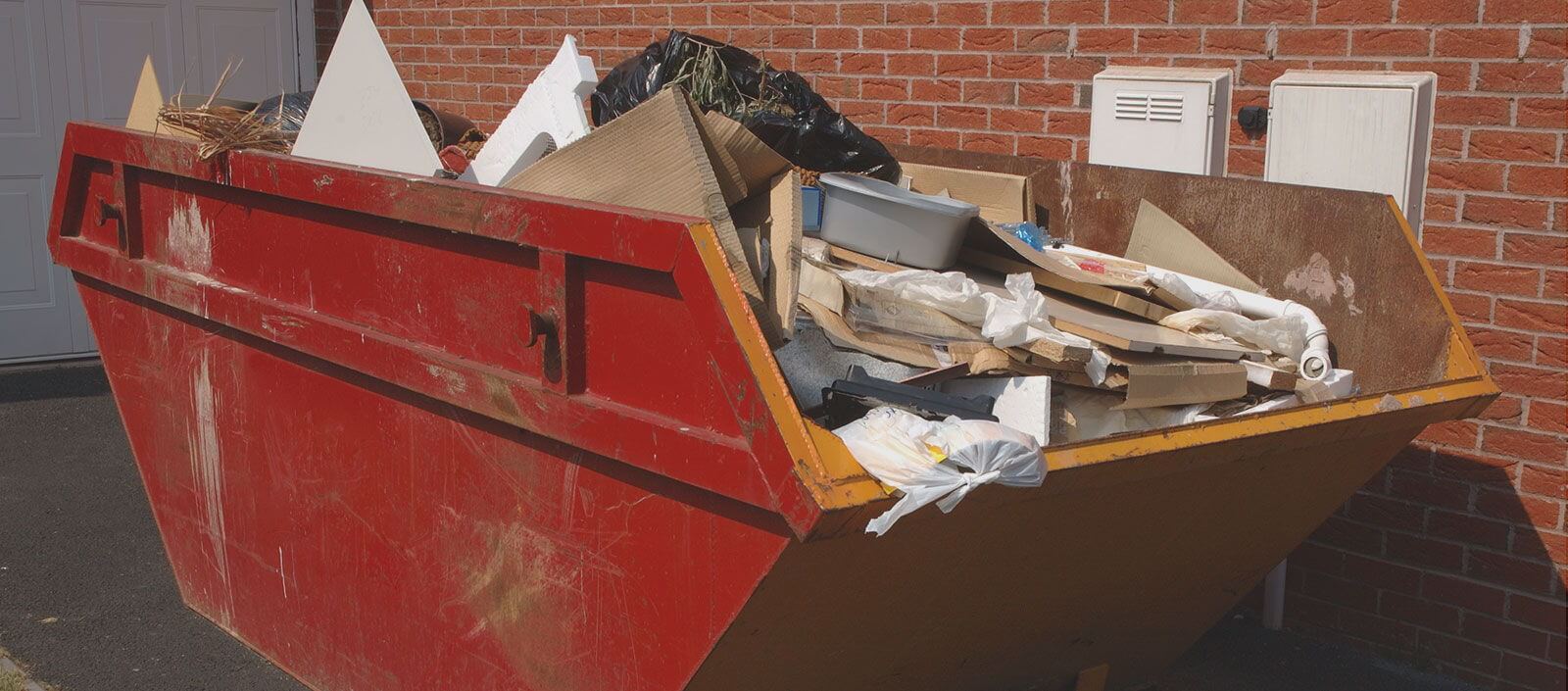
Regent's Park events waste plan for Marylebone venues
Posted on 26/05/2026
Regent's Park Events Waste Plan for Marylebone Venues
If you are hosting, managing, or supporting an event near Regent's Park, the waste side of the job can get messy very quickly. A good Regent's Park events waste plan for Marylebone venues keeps the whole thing under control: bins in the right places, collection timings that make sense, recycling separated properly, and no awkward pile-up of rubbish after the last guest has gone home. In a busy part of London, with footfall, traffic limits, and venue neighbours to think about, that planning really matters.
Truth be told, waste is often the part people leave until the end. Then the boxes stack up in a corridor, the glass bottles disappear into general waste, and the clean-down drags on longer than anyone expected. This guide walks through the practical side of planning waste for events around Regent's Park and Marylebone, so you can make decisions calmly and avoid the usual last-minute scramble.
You will find a clear explanation of how the process works, what to include, where the common problems usually appear, and what a sensible local setup looks like for venues of different sizes. If you need broader support around commercial collections, it may also help to review the full service overview and the dedicated commercial waste removal in Marylebone page.
Practical summary: the best waste plan is not the fanciest one. It is the one your staff can actually use, your venue can support, and your collection provider can clear on time without disrupting guests, neighbours, or the event schedule.
Why Regent's Park events waste plan for Marylebone venues Matters
Regent's Park and Marylebone sit in one of those parts of London where a lot happens in a relatively tight footprint. Guests arrive by taxi, train, on foot, or via nearby roads that are often already busy. Venues may be operating in elegant older buildings, compact modern spaces, or mixed-use sites with limited storage. All of that makes waste planning more than a housekeeping detail.
A poor plan shows up fast. Overflowing bins look unprofessional. Food waste left too long creates odour. Glass and cardboard can build up in back corridors. Staff then waste time moving sacks around instead of doing the event properly. And if waste blocks a loading area or spills onto a public pavement, you are suddenly dealing with complaints as well as cleanup.
For Marylebone venues, the real challenge is timing and space. Many sites do not have huge back-of-house areas. Some need waste removed discreetly before the morning rush. Others have to coordinate with delivery access, neighbours, or building management. A smart plan avoids friction. It also helps the venue present itself as organised and professional, which guests do notice, even if they never say it out loud.
There is another side to it too. Waste planning supports sustainability goals. If you separate recyclable material properly, reduce contamination, and choose the right collection route, you can cut down on unnecessary landfill use and make the whole operation feel more responsible. That matters to clients, event organisers, and local partners. If you want to dig into that wider angle, see recycling and sustainability for a useful overview.
And yes, there is a reputational piece here. A venue can have beautiful lighting, excellent service, and perfect catering, but one visible pile of waste by the exit can undo some of that polish. A bit harsh maybe. But true.
How Regent's Park events waste plan for Marylebone venues Works
A good events waste plan is simply a working system. It sets out what waste will be created, where it will go, who will move it, when it will be collected, and how it will be handled safely. Simple on paper. Slightly less simple when you have staff, guests, suppliers, and venue rules all moving at once.
The process usually starts with a site review. That means looking at the venue layout, entrances, loading points, bin storage, and any restrictions on collection times. A small private dinner and a 300-person reception may both take place in Marylebone, but their waste patterns are not remotely the same. One might need a few internal bins and a same-night collection. The other may need multiple segregated streams, temporary storage, and a staggered removal schedule.
Most event waste plans cover these practical points:
- expected waste types, such as food waste, cardboard, bottles, cans, mixed dry waste, and any bulky items
- bin placement inside the venue and in back-of-house areas
- staff responsibilities for emptying, sorting, and relabeling bins
- collection windows that avoid peak guest movement or road access issues
- contingency space for overflow if the event is busier than expected
- arrangements for secure disposal of any confidential or sensitive material, where relevant
In many cases, the plan is built around a collection service rather than the other way round. That is to say, you work backwards from what can actually be lifted, sorted, and removed safely. If the event includes fit-out, staging, or temporary installations, you may also need extra support such as builders waste disposal in Marylebone for materials like timber offcuts, packaging, or fixings.
The best plans are written in plain English. No drama. No vague "waste to be managed" line that means nothing at 9:45pm on a Friday. Just a clear schedule and clear responsibilities.
Key Benefits and Practical Advantages
A solid waste plan does more than stop rubbish from piling up. It makes the event easier to run, safer to manage, and better for the venue's long-term reputation. That may sound a bit neat, but in practice the gains are real.
1. Smoother event operations
When waste stations are placed properly and collections are timed well, staff spend less time dealing with overflow and more time supporting guests. It sounds obvious. Yet many event headaches start with something as ordinary as a bin full of napkins that nobody emptied soon enough.
2. Better guest experience
Guests usually do not notice good waste planning. They notice the absence of bad waste planning. No smells near the bar, no boxes in the hallway, no glass sacks dragged through public areas. That quiet professionalism helps the whole event feel more considered.
3. Stronger sustainability outcomes
Events often generate more recycling material than people expect. Cardboard packaging, drink containers, clean paper, and food waste can often be separated more effectively with a bit of forethought. For venues aiming to improve their environmental profile, this is one of the easiest places to start.
4. Less stress for venue teams
Late-night clean-downs are tiring. If the plan is clear, the team knows exactly what happens after the last guest leaves. No guessing. No "where do these boxes go?" moments. Honestly, those moments always arrive when everyone is already a little exhausted.
5. Lower risk of disputes or confusion
Written expectations help avoid misunderstandings with caterers, event planners, suppliers, and building management. Everyone knows who handles what. That is a small thing until it isn't.
If your event has furniture changes, temporary seating, or branded installations, it may also be useful to read about furniture removal in Marylebone or furniture disposal in Marylebone. Those services become relevant surprisingly often after a venue makeover or a one-off event setup.
Who This Is For and When It Makes Sense
This kind of waste plan is useful for a wide range of people, not just large event organisers. If your venue or event creates any mix of packaging, bottles, food waste, temporary fixtures, or post-event clear-up, then planning ahead will save time and mess.
It is especially relevant for:
- private party venues near Regent's Park
- restaurants and hospitality spaces hosting launches or receptions
- conference rooms and business venues with catering
- wedding venues and members' clubs
- pop-up spaces, galleries, and exhibition venues
- property owners hosting events during sales, viewings, or launches
Marylebone is a particular case because venues often sit alongside residential streets, offices, and retail. That means waste removal needs to be discreet, well-timed, and considerate. If you know the area, you know the rhythm. Morning deliveries, lunchtime footfall, evening noise sensitivity. It all matters.
For local context around the area itself, the piece on walking through Marylebone gives a useful feel for the neighbourhood. And if you want a broader sense of the venue scene, exclusive party venues in Marylebone is a helpful read.
When does it make sense to bring in a professional waste provider? Usually when the event is larger than a simple internal clean-up, when access is tight, when there is heavy packaging, or when the venue simply cannot store waste safely until the following day. In other words: sooner than people often think.
Step-by-Step Guidance
If you are building a waste plan from scratch, keep the process practical. The goal is not paperwork for its own sake. The goal is a venue that can handle the event cleanly and finish the night in good shape.
Step 1: Estimate what the event will produce
Look at the event format first. A buffet lunch creates different waste from a standing drinks reception. A product launch may generate packaging, sample materials, and display items. A wedding may create food waste, floral waste, cardboard, and a fair amount of mixed waste. Be honest here. Underestimating is how small events become messy ones.
Step 2: Map the venue flow
Think about where waste appears and how it moves. Back bar, kitchen, cloakroom, staging area, breakout rooms, outdoor sections if you have them. Note narrow corridors, stairs, lift access, and any areas where waste should never be left unattended.
Step 3: Separate waste streams early
Putting everything in one bin is easy in the moment, but it usually costs more time later and can reduce recycling performance. Set up bins for the streams that matter most: mixed dry waste, cardboard, food waste, glass, and any special items the event creates.
Step 4: Decide collection timing
Will you need an early-morning pickup, a post-event evening collection, or a next-day clear-out? This depends on venue access, neighbour sensitivity, and how much storage you have. For many Marylebone venues, discreet timing is just as important as speed.
Step 5: Brief staff and suppliers
A plan is only useful if people know it exists. Brief caterers, event managers, and cleaners before the event begins. Keep instructions short and visible. If you need to, place labels on bins and a simple escalation note for overflow.
Step 6: Arrange the right collection service
Choose a provider that can handle the type and volume of waste your event generates. If the event is one-off or complex, ask about load size, access needs, and whether you can mix collections or need separate pickups. For broader support, rubbish collection in Marylebone can be a practical option for smaller or mixed loads.
Step 7: Review after the event
After the clean-down, take five minutes to review what worked. Did the bins fill too quickly? Was cardboard stored neatly? Was the collection time right? A small adjustment now can save a lot of hassle next time.
Expert Tips for Better Results
Small adjustments make a big difference here. Most waste plans do not fail because of one major mistake; they fail because of a handful of little things that were never quite sorted.
- Use clear bin labels. Staff should not have to guess whether something is cardboard, mixed recycling, or general waste.
- Keep bins where waste is created. If the nearest bin is too far away, people will improvise. They always do.
- Plan for the last 10% of waste. That last bit is often the trickiest, especially after guests leave and the clean-down starts.
- Separate breakable glass from everything else. It makes handling safer and usually faster.
- Allow a contingency point. One spare collection slot, one extra bin, or one backup storage area can save the evening.
- Match the plan to staffing levels. A great system that requires six people and you only have three? Not very helpful.
One useful habit is to think in terms of movement, not just disposal. Where does waste start? Where does it pause? Where does it leave the building? Once you answer those questions, the rest gets clearer.
And if your event involves office-style spaces, branded boards, or temporary back-office setups, you may find office clearance in Marylebone a relevant adjacent service, especially after a busy series of events or a venue reset.
Common Mistakes to Avoid
Let's face it, most waste problems are predictable. That is actually good news, because predictable problems can be prevented.
Leaving waste planning until the end
This is the big one. If the event team thinks about waste only after the guest list is final, the venue may already be committed to an awkward layout or collection timing. Build the plan early, even if it is only a first draft.
Using one catch-all bin setup
A single mixed-waste point might feel simple, but it usually creates more work later and reduces recycling potential. Separate what you can, especially cardboard and glass.
Ignoring access restrictions
In central London, access matters. Loading times, street restrictions, and building entry rules can all affect collection. If a provider cannot reach the waste at the right moment, your "simple" plan becomes a queue of bags in the basement.
Forgetting post-event clutter
Waste plans are not only about food and bottles. Think about packaging, floral waste, broken displays, unused props, and any disposable items from production. These often linger after the main event is over.
Assuming every provider works the same way
They do not. Some providers are better suited to commercial contracts, some to one-off clearances, and some to recurring collections. Always check what is included before you assume the clean-up is covered.
Tools, Resources and Recommendations
You do not need a giant toolkit to run an effective event waste plan. A few simple resources usually do the job well.
- Venue floor plan: useful for marking bin points, back-of-house routes, and collection access.
- Waste stream label sheet: a basic visual guide for staff and contractors.
- Event run sheet: includes waste collection timing alongside catering and guest movement.
- Cleaning checklist: helps the end-of-night team know what must be cleared before handover.
- Contact list: venue lead, caterer, cleaner, and waste provider in one place.
For general support around arranging services, pricing and quotes is worth reviewing early so you can budget realistically. It is much easier to plan waste properly when you know the likely cost range and what is included.
If safety and reliability are priorities, the page on insurance and safety helps clarify what to look for in a professional service. That matters more than people sometimes admit. A tidy pickup is nice; a safe one is essential.
For venues wanting to strengthen trust and accountability, waste carrier licence and compliance is also a sensible reference point. You want proof that waste is being handled properly, not just moved out of sight.
Law, Compliance, Standards, or Best Practice
Waste planning for events in London is not just a matter of convenience. There are legal and practical duties around safe storage, responsible transfer, and proper disposal. Exact obligations can vary depending on the venue, the waste type, and the arrangement in place, so it is wise to check details carefully rather than rely on assumptions.
In practical terms, a venue should expect to:
- store waste securely and safely before collection
- avoid blocking fire routes, exits, or shared access areas
- use appropriately licensed waste carriers
- separate recyclable material where feasible
- retain sensible records where required by the service arrangement
Best practice is usually even stricter than the minimum. For example, keeping waste away from guest routes reduces smell, litter, and manual handling risk. It also helps avoid complaints from neighbours or nearby businesses. In a place like Marylebone, where streets can feel narrow and movement is constant, this is not a minor detail.
There is also a sustainability expectation now that many venues are keen to meet, whether formally or informally. Clients often ask how waste will be handled, whether collections are ethical, and what happens to recyclables. Having a clear answer builds trust fast.
For policy-related pages and site trust signals, it can be useful to point stakeholders toward terms and conditions, privacy policy, and the company's about us page when you are vetting suppliers. Those may feel like small details, but they add confidence.
Options, Methods, or Comparison Table
Different events need different waste setups. Here is a straightforward comparison to help you choose the right approach.
| Approach | Best for | Pros | Limitations |
|---|---|---|---|
| Internal bin plan only | Small events with low waste volumes | Low cost, simple to manage, quick to brief staff | Can overflow quickly, limited recycling control |
| Scheduled commercial collection | Recurring venues and moderate event sizes | Reliable, easier compliance, better segregation | Needs decent access and clear timing |
| One-off clearance support | Large launches, seasonal events, venue resets | Good for bulky waste and sudden surges | May be less efficient for repeat weekly use |
| Mixed approach | Complex events with different waste peaks | Flexible, can match the event flow better | Needs stronger planning and coordination |
For a venue that hosts frequent private functions, a recurring commercial arrangement is often the smoothest option. For a one-night event or a site refresh, a mixed or one-off approach may be more practical. The key is not choosing the biggest service; it is choosing the one that fits the actual event.
If waste includes old furniture, display items, or appliances from a venue refresh, relevant supporting services like white goods and appliance disposal in Marylebone can come into play too.
Case Study or Real-World Example
Picture a Marylebone venue hosting an evening launch event for a brand with around a hundred guests. The space has a front reception room, a rear service area, and a narrow access route shared with other tenants. Catering arrives in stages, there are promotional displays, and drinks are served throughout the night. Nothing outrageous, but enough moving parts to create waste fast.
In a weak setup, bins are too far from the serving area, cardboard gets folded awkwardly in a corridor, and glass bottles are left until the end. By 10:30pm, staff are carrying bags through guest areas, and the clean-down feels rushed. The venue ends the night tired and slightly chaotic.
With a proper waste plan, the same event runs very differently. Cardboard is broken down as packaging arrives. Two clearly labelled internal points handle glass and mixed waste. Food waste is collected separately from kitchen prep and service. A late collection is arranged once guest movement has eased. The team finishes on time, the venue looks calm, and the morning handover is straightforward.
That is the point, really. Not perfection. Just a smoother end to the event and fewer surprises at the worst possible time.
Practical Checklist
Use this before the event begins. It is simple, but it catches a lot.
- Have you estimated all likely waste types?
- Are recycling, food waste, and general waste separated where possible?
- Do staff know where waste should go?
- Is there enough bin capacity for peak periods?
- Have collection times been confirmed in advance?
- Is access clear for the provider?
- Have you checked any venue or building restrictions?
- Are bulky items, props, or packaging accounted for?
- Is there a backup plan for overflow?
- Have you reviewed safety, insurance, and compliance details?
- Do you know who to call if plans change mid-event?
If your answer to more than a couple of those is "not yet," then it is worth tightening the plan before the event day arrives. A little admin now saves a lot of hassle later.
Conclusion
A strong Regent's Park events waste plan for Marylebone venues is really about control. Control over timing, cleanliness, safety, and the impression your venue leaves behind. In a part of London where guests, neighbours, and building constraints all matter, that control makes events easier to run and far less stressful to finish.
The best approach is usually the most practical one: understand the waste you will create, separate it sensibly, match collections to the event schedule, and work with a provider that understands local access and commercial requirements. It does not need to be complicated. It just needs to be thought through.
Get a free quote today and see how much you can save.
If you are planning a venue clean-up, post-event clearance, or a recurring collection arrangement, start with the basics and build from there. A well-kept venue always feels easier to trust. And that is no small thing.