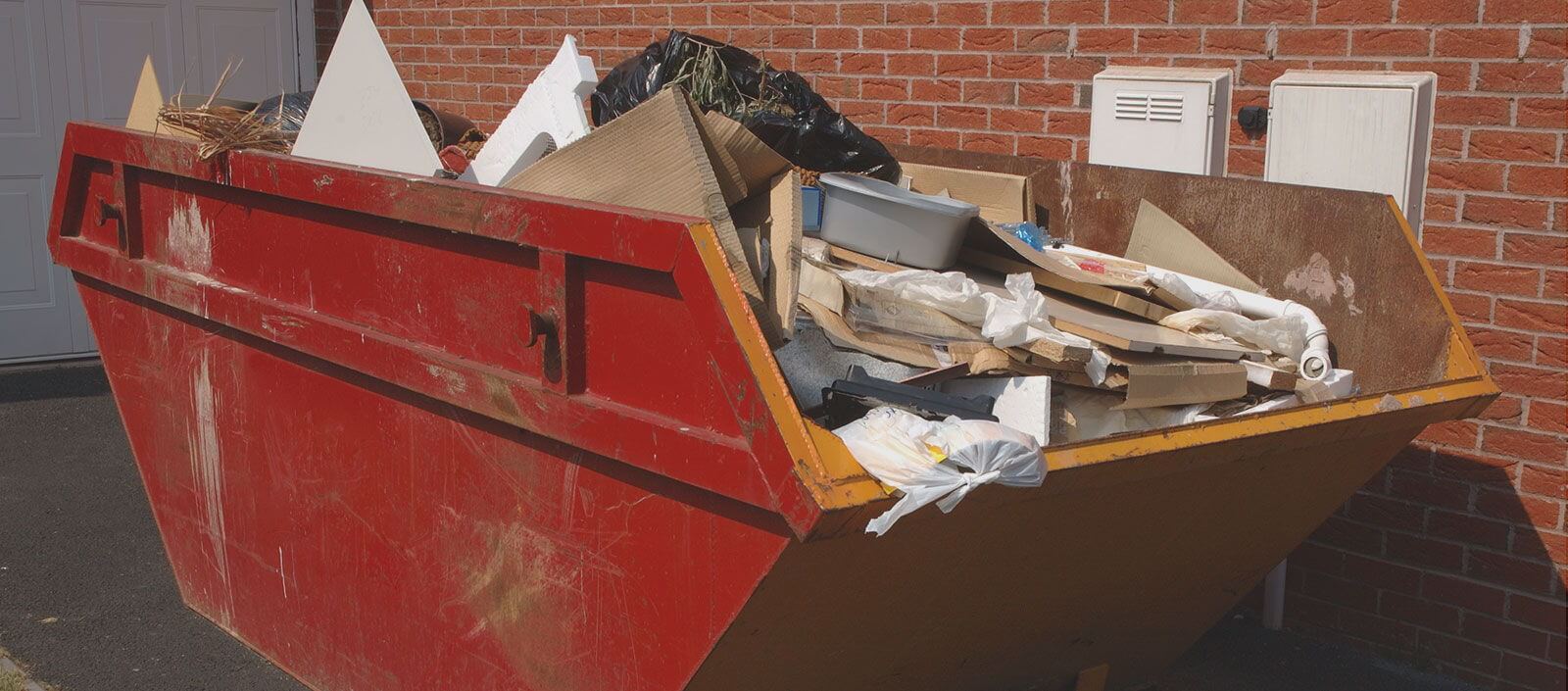
Fines and enforcement for illegal dumping in Marylebone
Posted on 29/07/2026

Illegal dumping sounds messy because, frankly, it is. A mattress left by a mews gate, builder's rubble tucked behind a wall, a couple of bin bags abandoned after dark - in Marylebone, these small acts can trigger real enforcement action, real costs, and real frustration for residents, landlords, and businesses alike. If you are trying to understand fines and enforcement for illegal dumping in Marylebone, this guide breaks down what usually happens, who is at risk, and how to stay on the right side of local waste rules without making life harder than it needs to be.
We will look at how enforcement works in practice, what councils and enforcement teams are generally looking for, where people go wrong, and what sensible disposal habits reduce the chance of a penalty. It is not glamorous reading. But it can save you money, time, and a headache or two.
- Why fines and enforcement matter in Marylebone
- How enforcement for illegal dumping works
- Key benefits of staying compliant
- Who this is for
- Step-by-step guidance
- Expert tips for avoiding penalties
- Common mistakes to avoid
- Tools, resources and recommendations
- Law, compliance and best practice
- Options and comparison table
- Real-world example
- Practical checklist
- Conclusion
- Frequently asked questions
Why Fines and enforcement for illegal dumping in Marylebone Matters
Marylebone is dense, busy, and very visible. That matters. Waste left on a pavement, in a courtyard, or beside a communal bin is not just an eyesore; it can block footways, attract vermin, create trip hazards, and leave residents feeling as though nobody is looking after the place. In streets where people are walking dogs, pushing prams, unloading deliveries, or moving furniture on a tight schedule, one dumped sofa can cause a surprising amount of disruption.
Enforcement exists because illegal dumping creates costs that are shared by everyone else. Someone else has to clear it. Someone else has to pay for that clearance. And if the waste contains construction rubble, electrical items, sharp objects, or leaking liquids, the risk can move from annoying to unsafe very quickly.
There is also the reputational side. For landlords, block managers, hospitality venues, and local businesses, a single dumping incident can make an entrance look neglected. That may sound small, but in a place like Marylebone, presentation matters. You notice it on a quiet morning: the dust, the smell, the black bin bag slumped beside a railings line. Not ideal.
If you are dealing with a building project, a house move, or a business clearout, it helps to understand the wider local context too. Pages like Westminster Council rubbish rules every Marylebone resident should know and skip permit rules in City of Westminster are useful companions if your waste plans involve the street, a skip, or a tight timetable.
How Fines and enforcement for illegal dumping in Marylebone Works
In simple terms, enforcement usually starts when waste is spotted, reported, or linked back to a person or business. That link can come from documents in the waste, witness accounts, vehicle details, CCTV, or evidence of who arranged the removal. It is rarely just about the bag itself. Investigators look for clues. A delivery label, a receipt, a business name on packaging, a bank slip, even a partially visible address can become relevant.
What happens next depends on the circumstances. In many cases, local enforcement teams will assess whether there has been fly-tipping or another waste offence, whether the waste was deposited on public or private land, and whether there is enough evidence to identify responsibility. If so, a fixed penalty or further action may follow. In more serious cases, matters can escalate beyond a simple fine.
That is why the phrase "just leave it there for a bit" is a bad plan. A very bad plan, actually. If waste is left in a place where it should not be, and nobody can prove it was set out for a lawful collection, it can quickly become an enforcement issue.
In Marylebone, the most common enforcement triggers tend to involve:
- bags left beside communal bins or on the pavement
- unlicensed or irresponsible waste collectors
- builders' waste abandoned after renovation work
- furniture and white goods left outside without proper arrangement
- commercial rubbish placed out at the wrong time or in the wrong way
If you are comparing proper disposal routes, it is often worth reviewing the service structure on the site's services overview or the more specific rubbish collection in Marylebone page to see which type of removal fits the waste you actually have.
Key Benefits and Practical Advantages
Staying ahead of enforcement is not only about avoiding penalties. It also makes the whole waste process calmer, cleaner, and more predictable. That sounds obvious, but in practice people often underestimate how much time is lost when waste is handled badly.
Practical advantages include:
- Lower financial risk: no avoidable fines, fewer call-out surprises, and less chance of paying twice for removal.
- Less operational disruption: fewer complaints from neighbours, building managers, or tenants.
- Better compliance records: useful for landlords, agents, and businesses that need to show responsible waste handling.
- Cleaner kerb appeal: especially important for front-facing properties and commercial entrances.
- Safer working conditions: fewer hazards for cleaners, porters, delivery teams, and passers-by.
There is also a quieter benefit: peace of mind. Once you know the waste has been moved by the right route, you stop worrying about someone photographing it, reporting it, or tracing it back to you. That alone is worth a lot on a busy week.
For people planning a larger clearance, it can help to think beyond disposal and into prevention. Services such as house clearance in Marylebone and office clearance in Marylebone are generally better fits than trying to piece together multiple small trips. Fewer trips, fewer loose ends, fewer chances for something to be left behind. Simple, but effective.
Who This Is For and When It Makes Sense
This topic matters to more people than you might think. Illegal dumping enforcement is not only a concern for obvious fly-tipping hotspots. It affects anyone who produces waste in a way that others can see or trace.
You should pay close attention if you are:
- a homeowner clearing a flat, basement, loft, or storage space
- a tenant leaving a property with bulky items or mixed rubbish
- a landlord or managing agent coordinating regular waste output
- a builder, decorator, or tradesperson with rubble, timber, plasterboard, or packaging
- a shop, restaurant, office, or venue generating commercial waste
- someone disposing of appliances, mattresses, sofas, or garden cuttings
It makes sense to pay attention before the waste leaves your hands, not after. If you wait until bags are already on the pavement, you are a step behind. And that is usually when people start cutting corners.
A lot of residents first run into trouble around moves or refurbishments. One week it is a spare wardrobe and a broken desk. Then suddenly there are boxes, packaging, old paint tins, and a mattress leaning in the hallway. If that sounds familiar, you are not alone. The answer is not panic; it is planning.
For example, if you are moving out of a flat and need a few large items removed quickly, furniture removal in Marylebone or furniture disposal in Marylebone is usually safer than leaving items out and hoping they vanish overnight. They rarely do.
Step-by-Step Guidance
Here is a straightforward way to stay on the right side of enforcement and avoid accidental illegal dumping.
- Identify the waste type. Separate household rubbish, bulky furniture, builders' waste, garden cuttings, and appliances. Mixed piles create confusion and often cost more to sort later.
- Check whether the item needs specialist handling. White goods, mattresses, electrical items, and renovation debris usually need the correct route, not a general bin.
- Choose a lawful disposal method. This could mean booked collection, council service, a licensed waste carrier, or a proper skip arrangement where permitted.
- Keep proof of the arrangement. Save emails, invoices, and collection details. If something goes wrong later, that paper trail matters.
- Do not place waste on the street early. This is one of the fastest ways to invite problems. Early placement can look like abandonment, even if you meant it for collection.
- Remove loose packaging and bag waste securely. Wind, rain, and curious foxes do the rest. London has a way of making small messes much bigger.
- Follow building or estate instructions. In Marylebone, block rules can be stricter than people expect, especially in managed buildings and shared courtyards.
If your waste is construction-related, use a route that fits the scale of the job. Builders' waste disposal in Marylebone is designed for heavier, messier material than ordinary household rubbish. For a post-renovation clear-up, builders' waste removal after Marylebone renovations is worth a look because renovation waste is where enforcement problems often begin.
Expert Tips for Better Results
After dealing with many waste jobs in tight urban streets, a few habits stand out. They are not complicated. That is the point.
- Book ahead where you can. A rushed job is where shortcuts sneak in.
- Keep waste out of sight until collection day. A hallway is fine; the pavement is not.
- Ask whether the carrier is properly licensed. A low quote can become expensive if the waste ends up dumped somewhere else and traced back to you.
- Use one clear disposal route for one clear waste stream. It helps with both compliance and cost control.
- Photograph what leaves the property. Not every job needs this, but for larger clearances it can be a helpful record.
There is a subtle but important point here: most people do not mean to cause illegal dumping. They mean to be efficient. The trouble is that efficiency without verification can go sideways. Quickly. A carrier saying "leave it by the bins and we'll sort it" is not the same as a proper collection plan.
For mixed household clearances, the practical choice is often a dedicated service rather than a piecemeal approach. You can see the range of options through domestic waste collection in Marylebone and waste removal in Marylebone. In our experience, that simple shift from "I'll sort it later" to "it's booked properly" removes half the stress straight away.

Common Mistakes to Avoid
Most enforcement trouble comes from a few predictable mistakes. None of them are dramatic on their own, which is why people underestimate them.
- Leaving bags beside a full bin. If the bin is full, do not assume a nearby pile is acceptable.
- Assuming someone else will pick it up. The council, a porter, or a neighbour is not automatically responsible.
- Using an unverified collector. If they disappear, your waste may still be your problem.
- Mixing hazardous items with general rubbish. A broken appliance or leaking product changes the disposal requirements.
- Failing to check permit or access rules. This matters for skips, loading bays, estate roads, and narrow streets.
- Letting waste sit out overnight. One wet night and it can look abandoned, untidy, and difficult to trace.
A small one-line truth: the bin area is not a mystery box. If it is not meant to be there, someone will notice.
Mattress and appliance disposal deserve special attention because they are bulky and awkward, which is often where people improvise. That is usually a mistake. If you are dealing with a bed frame or appliance, mattress disposal options for Marylebone flats and white goods and appliance disposal in Marylebone can help you choose a more reliable route.
Tools, Resources and Recommendations
You do not need complicated tools to manage illegal dumping risk. You need a decent process and a few simple records.
Useful practical tools include:
- a basic waste inventory list for larger clearances
- photos of bulky items before removal
- collection confirmations or invoices
- a calendar reminder for bin days or booking windows
- a site checklist for builders, landlords, or venue managers
Useful internal reading on the site:
- waste carrier licence and compliance
- recycling and sustainability
- pricing and quotes
- insurance and safety
- about us
That last point is worth saying plainly: if you are comparing providers, look for evidence of compliance, not just fast messaging and a friendly voice note. The cheapest option is not always the cheapest option. It can be the opposite, annoyingly enough.
For commercial premises, especially those with repeat collections, the right setup can prevent accidental dumping at the back of the property or around shared loading areas. A clear contract, proper collection windows, and staff awareness all help. If your business produces ongoing waste, commercial waste removal in Marylebone is often the cleanest route.
Law, Compliance, Standards, or Best Practice
Because illegal dumping and waste enforcement involve legal risk, it is sensible to be careful with wording here. The exact penalty, notice type, or escalation route can depend on the facts of the case and the relevant authority's current practice. So, rather than rely on assumptions, focus on the standards that consistently matter in the UK.
Common compliance principles include:
- Duty of care: waste should be handled responsibly and passed to the right person or business.
- Licensed carriers: use waste operators who can properly handle the material they collect.
- Proper containment: waste should be bagged, secured, or boxed so it does not spread.
- Accurate separation: mixed waste is harder to manage and may need specialist treatment.
- Local access rules: estates, roads, loading bays, and permit-controlled areas can change what is feasible.
For builders and trades, compliance is especially important because rubble, timber offcuts, plasterboard, and packaging are more likely to trigger scrutiny if they are left in a shared space. If you are planning a refurbishment, read skip permit rules in City of Westminster alongside the service information. Small access mistakes can create disproportionate problems.
One more thing: compliance is not only about avoiding punishment. It is also about making sure the waste does not become someone else's problem. That is the part people forget when they are in a rush.
Options, Methods, or Comparison Table
Different waste situations call for different methods. The right choice depends on volume, access, urgency, and the type of material.
| Method | Best for | Advantages | Common risk |
|---|---|---|---|
| Scheduled council-style collection | Smaller household waste and routine set-outs | Predictable and simple when used correctly | Overflow or leaving items out early |
| Licensed waste removal service | Bulky items, mixed loads, short notice clearances | Flexible, efficient, usually suitable for harder jobs | Poor provider choice if compliance is not checked |
| Skip hire | Renovations, larger domestic or trade jobs | Holds significant volume on site | Permit and placement issues in tight streets |
| Ad hoc curbside stacking | Very little, ideally nothing | None worth recommending here | High risk of fines, complaints, and messy spread |
To be fair, the comparison is not close. Proper booked removal or a correctly arranged skip is almost always better than "just leaving it out and hoping." If you are clearing a flat, a loft, or a set of offices, a structured service such as loft clearance in Marylebone or office clearance in Marylebone tends to reduce both physical clutter and enforcement risk.
Case Study or Real-World Example
Picture a typical Marylebone side street on a Thursday morning. A flat renovation has finished, and the occupants are moving out the same day. There is an old wardrobe, a mattress, packaging from flat-pack furniture, and a few bags of mixed debris. The team is tired. The timeline is tight. Everyone wants the waste gone before the afternoon.
Now imagine two different outcomes.
Outcome one: the items are left beside the building's communal bins because "the collector is coming later." A passer-by takes a photo. The bins are already half full. By evening, the bags have split, cardboard is in the street, and the mattress has started to collect rainwater. The building manager is unhappy, and the property is now visible to enforcement eyes.
Outcome two: the items are booked in advance with a suitable clearance service, the carrier details are retained, and the waste is removed from inside the property on the agreed day. No lingering pile. No confusion. No photos on a resident WhatsApp group. Everyone breathes out.
The second version is not exciting, which is exactly why it works.
If you want a more specific example around properties and estates in the area, the article on Portman Estate clearouts shows how planned removal is usually much easier to manage than reactive cleanup after things have gone wrong.
Practical Checklist
Use this before any collection, clearance, or disposal job in Marylebone:
- Have I identified exactly what needs removing?
- Does any item need specialist handling?
- Have I chosen a lawful disposal route?
- Do I have confirmation, invoice, or booking details saved?
- Is the waste staying inside until collection time?
- Have I checked estate, building, or street access rules?
- If a skip is involved, do I know whether a permit is needed?
- Are items secured so they will not blow, leak, or spill?
- Have I briefed anyone else involved in the move or works?
- Do I know who to contact if the collection is delayed?
If you can tick most of those boxes, you are usually in a good place. If not, slow down a little. Better to pause for ten minutes than spend days dealing with the aftermath.
Get a free quote today and see how much you can save.
Conclusion
Fines and enforcement for illegal dumping in Marylebone are not something to shrug off. The area's visibility, tight streets, shared entrances, and constant foot traffic make poor waste habits stand out quickly. The good news is that most problems are preventable with a little planning, the right disposal route, and basic proof that the waste was handled properly.
If you are a resident, landlord, business owner, or contractor, the safest approach is simple: keep waste contained, use a proper collection method, and do not leave anything out early. That is especially true for bulky items, builders' waste, and mixed clearances. Small mistakes can become expensive ones before you know it.
And honestly, once you have a tidy system in place, you barely think about it again. Which is how waste management should be - quiet, orderly, and out of your way. A small win, but a real one.